

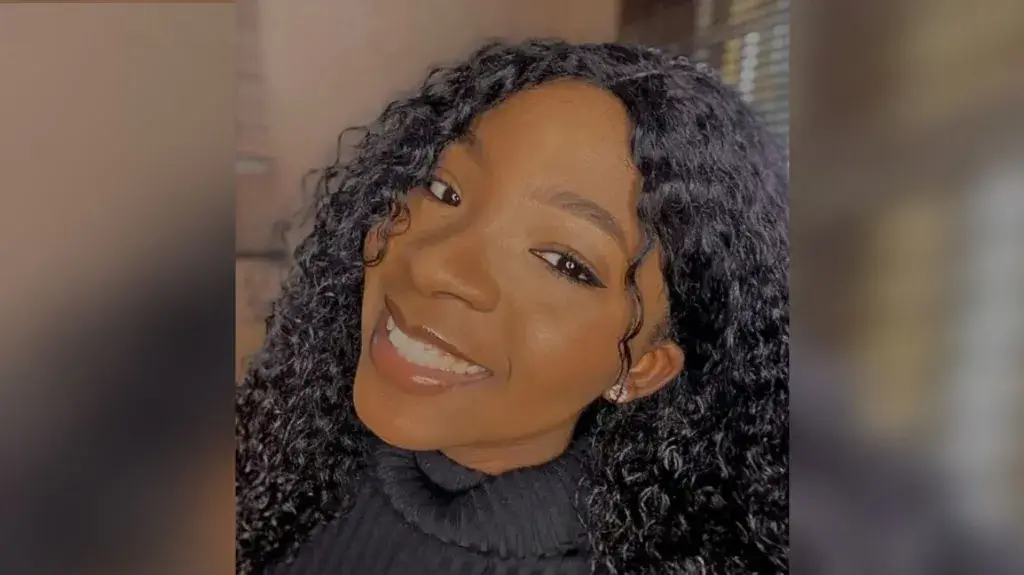
ABUJA, Nigeria — Nigeria’s music community is mourning the sudden death of Ifunanya Nwangene, a 26‑year‑old aspiring singer who died on Saturday after being bitten by a snake in her apartment in Abuja. The incident has sparked grief across the country and raised questions about emergency preparedness in dealing with snakebite cases.
A Promising Career Cut Short
Nwangene rose to prominence in 2021 after appearing on The Voice Nigeria, where she impressed audiences with her ability to blend jazz, opera, classical music, and soul. Friends and colleagues described her as a “rising star” with both talent and determination.
She had been preparing for her first solo concert later this year, a milestone that many believed would mark her breakthrough in Nigeria’s vibrant music scene. Beyond music, she was also a trained architect, reflecting her versatility and ambition.
Sam Ezugwu, co‑founder and music director of the Amemuso Choir, where Nwangene sang, told the BBC: “She was a rising star. We were all looking forward to her concert. This is a huge loss.”
The Incident
According to friends, Nwangene was asleep when the snake bite woke her. Videos shared on social media show a handler removing a snake from her apartment, with bystanders shouting: “It is a cobra!” Later, two snakes were reportedly found in the house.
She initially sought treatment at a nearby clinic, but staff there did not have the required antivenom. She was then taken to the Federal Medical Centre, Jabi, where doctors attempted to stabilize her.
Ezugwu recalled rushing to the hospital: “She could not speak but she could make hand gestures. She was struggling to breathe. While they were trying to stabilize her, I went out to search for the missing antivenom. When I returned, she had died.”
Hospital Response
The hospital issued a statement denying claims that antivenom was unavailable. It said medical staff provided immediate treatment, including resuscitation, intravenous fluids, oxygen, and polyvalent snake antivenom.
According to the hospital, Nwangene suffered severe complications from the bite, and her condition deteriorated suddenly before she could be transferred to intensive care. “Medics were unable to revive her,” the statement said, adding: “We stand by the quality of care and dedication our team demonstrates daily.”
Outpouring of Grief
Her death has triggered widespread mourning. Members of the Amemuso Choir gathered at the hospital on Saturday evening, “hoping that a miracle would happen.” Friends described her as fearless, creative, and deeply committed to her craft.
Hillary Obinna, another choir member, said: “We prayed all night for her recovery. She was more than a colleague; she was family.”
On social media, tributes poured in from fans and fellow musicians, many highlighting her unique voice and the promise of a career that ended too soon.
Broader Issues: Snakebites in Nigeria
The tragedy has also drawn attention to the broader issue of snakebites in Nigeria. Rural and urban communities alike face risks from venomous snakes, yet access to antivenom remains limited. Many clinics lack supplies, and hospitals often struggle to respond quickly enough to save lives.
Experts note that Nigeria records thousands of snakebite cases annually, particularly in agricultural regions. The World Health Organization has classified snakebite envenoming as a neglected tropical disease, underscoring the need for better awareness, prevention, and treatment.
Legacy of Ifunanya Nwangene
Though her life was cut short, Nwangene leaves behind a legacy of artistry and resilience. Her performances on The Voice Nigeria showcased her ability to cross genres and connect with audiences. Friends say she embodied the spirit of creativity, blending architecture and music into a vision of possibility.
Her death is a reminder of both the fragility of life and the urgent need to strengthen Nigeria’s health systems. For her fans and loved ones, she will be remembered not only for her voice but also for her courage, ambition, and warmth.
Outlook
As Nigeria mourns, the focus now turns to honoring her memory and addressing the systemic gaps that contributed to her death. For the music community, her passing is a devastating loss. For the country, it is a call to action: to ensure that no promising life is lost for lack of timely medical intervention.