

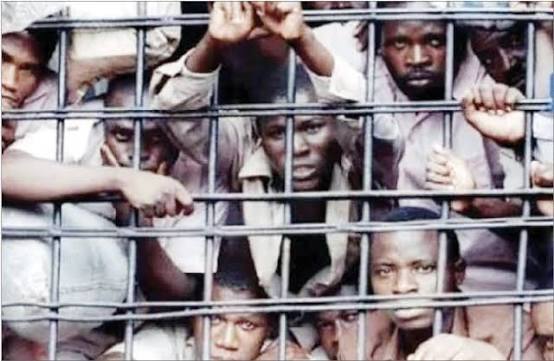
Nigeria’s correctional system is facing mounting pressure as over 80,000 inmates remain held in custodial centres across the country, with a significant number awaiting trial amid prolonged judicial delays. The situation has raised serious concerns about human rights, prison congestion, and the efficiency of the justice system.
Data from the Nigerian Correctional Service (NCoS) indicates that a large proportion of inmates are not convicted offenders but individuals awaiting trial—some for years—due to slow legal processes, inadequate legal representation, and systemic bottlenecks.
A System Under Strain
Correctional facilities originally designed to accommodate far fewer inmates are now severely overcrowded. Cells meant for a handful of detainees often house dozens, creating harsh and inhumane living conditions. Poor sanitation, limited access to healthcare, and inadequate nutrition have become recurring challenges within many facilities.
Experts warn that such conditions not only violate basic human rights but also undermine efforts at rehabilitation and reintegration.
Delayed Justice at the Core
At the heart of the crisis is the slow pace of Nigeria’s judicial system. Frequent adjournments, case backlogs, and insufficient numbers of judges contribute to prolonged detention periods. For many inmates, the wait for trial or judgment stretches indefinitely, leaving them trapped in legal limbo.
Legal practitioners have also pointed to the lack of access to legal aid for indigent defendants as a major factor. Without proper representation, many suspects are unable to navigate the legal system effectively, resulting in extended incarceration.
Calls for Urgent Reform
Stakeholders, including civil society organisations and legal experts, are calling for comprehensive reforms to address the crisis. Suggested measures include:
- Speeding up court proceedings through judicial reforms
- Expanding access to legal aid services
- Promoting alternative dispute resolution mechanisms
- Implementing non-custodial sentencing for minor offences
There are also calls for stronger collaboration between the judiciary, law enforcement agencies, and correctional authorities to streamline case management.
Government and Institutional Response
The Nigerian Correctional Service has acknowledged the challenges and reiterated its commitment to improving conditions within correctional facilities. Authorities have also highlighted ongoing efforts to decongest prisons through initiatives such as parole, plea bargaining, and periodic review of inmate cases.
However, observers argue that more sustained and systemic interventions are needed to achieve meaningful change.
Human Rights Concerns
Human rights advocates continue to raise alarms over the conditions faced by inmates, particularly those awaiting trial. They stress that prolonged detention without conviction contravenes fundamental legal principles, including the presumption of innocence and the right to a fair and timely trial.
The Way Forward
As Nigeria grapples with the dual challenges of delayed justice and prison overcrowding, the situation underscores the urgent need for coordinated reforms. Addressing these issues will not only improve the welfare of inmates but also strengthen public confidence in the justice system.
Until decisive action is taken, thousands of detainees will continue to languish behind bars, caught in a cycle of delay and uncertainty that reflects deeper structural issues within the nation’s legal framework.