

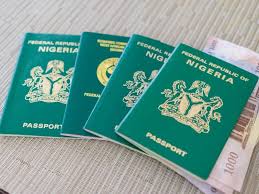
A U.S.-based Nigerian has shared a frustrating account of spending over ₦1 million to renew their national passport, shedding light on the high costs, delays, and bureaucratic hurdles often faced by citizens abroad.
According to the individual, what should have been a straightforward administrative process turned into a costly and time-consuming ordeal. From securing an appointment to completing biometric capture and waiting for the passport to be issued, each stage came with unexpected expenses and complications. The applicant noted that official fees were only part of the total cost, as additional charges—ranging from service fees to travel and logistical expenses—quickly drove the overall amount beyond ₦1 million.
The situation was further complicated by long waiting periods and limited appointment availability at the Nigerian consulate. The applicant described having to reschedule multiple times due to system issues and overcrowding, resulting in added costs for transportation, accommodation, and time off work.
Beyond the financial burden, the experience also highlighted concerns about inefficiency and lack of transparency in the passport renewal process for Nigerians living overseas. The individual expressed frustration over unclear guidelines, inconsistent communication, and the absence of streamlined digital solutions that could simplify the procedure.
The account has sparked reactions among Nigerians in the diaspora, many of whom say they have faced similar challenges. Advocacy groups are calling for urgent reforms, including improved online systems, better customer service at embassies and consulates, and more transparent fee structures.
Officials have occasionally acknowledged the challenges and pointed to ongoing efforts to modernize passport services. However, critics argue that progress has been slow and that more decisive action is needed to reduce costs, eliminate bottlenecks, and restore confidence in the system.
As stories like this continue to surface, they underscore the broader need for reforms that make essential government services more accessible, efficient, and affordable for Nigerians at home and abroad.