

In a development that rekindles memories of South Africa’s high-profile graft investigations, Angelo Agrizzi, the former chief operating officer of Bosasa, has accepted a plea deal with prosecutors. Agrizzi confessed to acting as a fixer who delivered bribes to government officials, lawmakers, and others as part of a sprawling corruption scheme that drew national outrage and scrutiny of the ruling party’s decades-long dominance.
Key details from the plea deal and background:
- Sentencing amid leniency: Agrizzi was sentenced to 40 years in prison, but the sentence was suspended on the condition that he cooperate with ongoing investigations. This arrangement means he faces no jail time unless he breaches the agreement.
- Scope of admissions: Agrizzi’s testimony, including his dramatic appearance at the Zondo Commission in 2019, painted a picture of a broad corruption network involving Bosasa, a facilities management company that secured lucrative government contracts.
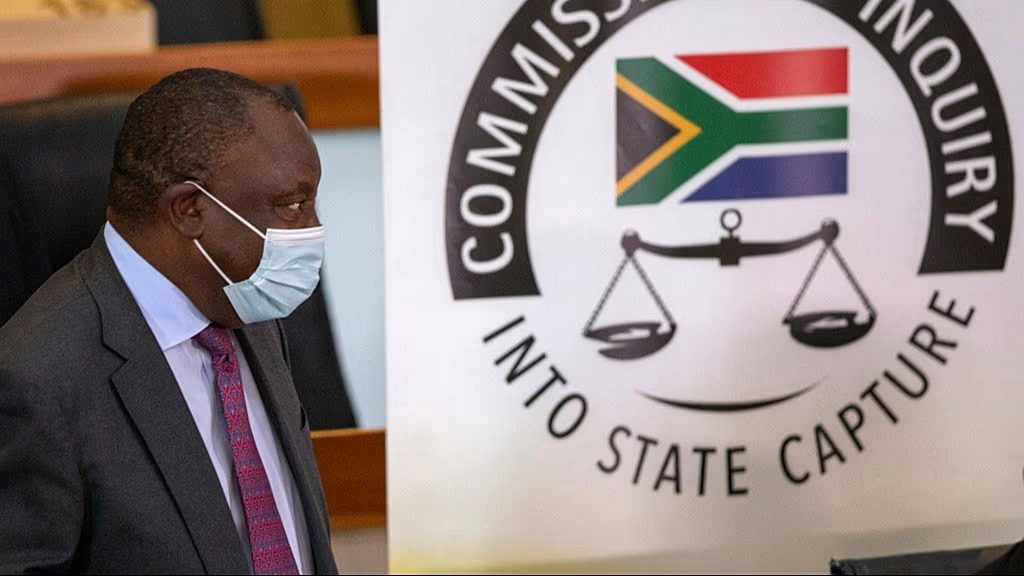
- The Zondo Commission context: The commission investigated widespread government corruption during the presidency of Jacob Zuma, who resigned in 2018 amid graft allegations. Agrizzi’s testimony claimed that bribes helped secure contracts and influence politicians within the ANC.
- How bribes were delivered: Agrizzi described cash deliveries hidden in newspapers or grey bags, with a “little black book” cataloging bribe details. These revelations contributed to public outrage and demanded accountability across state institutions.
- Specific targets of the plea: The deal relates to cases involving the former commissioner and deputy commissioner of South Africa’s Department of Corrections, and a former ruling party lawmaker. All were accused of receiving bribes in exchange for contracts to provide services to prisons.
- The Bosasa money trail: Agrizzi pleaded guilty to three counts of corruption and one count of money laundering. Prosecutors say Bosasa secured more than $100 million in government contracts through bribes to the involved officials.
- Death and mystery surrounding the chain: The CEO of Bosasa-linked schemes reportedly died in a car crash months after Agrizzi’s testimony, with some private pathology findings suggesting the possibility of foul play. This event added intrigue and controversy to the case.
- Ongoing accountability gaps: The Zondo Commission (2018–2022) heard from hundreds of witnesses, but a relatively small number of those implicated have faced prosecution, prompting criticism that many connected to the ANC avoided charges.
Context and implications:
- A nation watching for accountability: The plea deal underscores South Africa’s continued struggle to hold powerful actors accountable in a system long shadowed by corruption allegations. For many, Agrizzi’s cooperation is a potential entry point for broader investigations into corrupt practices that influenced public procurement and governance.
- Political consequences: The case ties into the broader narrative around the ANC’s governance era and how far the state will go to root out entrenched corruption. It also resurfaces debates about how justice is applied across different political and economic actors connected to the ruling party.
- Public trust and reforms: High-profile revelations have spurred calls for stronger anti-corruption mechanisms, improved oversight, and more transparent contracting processes to restore public confidence in state institutions.
What this means going forward:
- Follow-up prosecutions: With Agrizzi’s cooperation, prosecutors may pursue further charges and illuminate additional layers of the bribery network that benefited from Bosasa contracts.
- Corporate governance and procurement reforms: Expect renewed discussions on procurement reform, supplier oversight, and internal controls within state departments to prevent future abuses.
- Public discourse and accountability: The case remains a touchstone for civil society, watchdog groups, and political commentators who advocate for robust accountability and systemic change.