

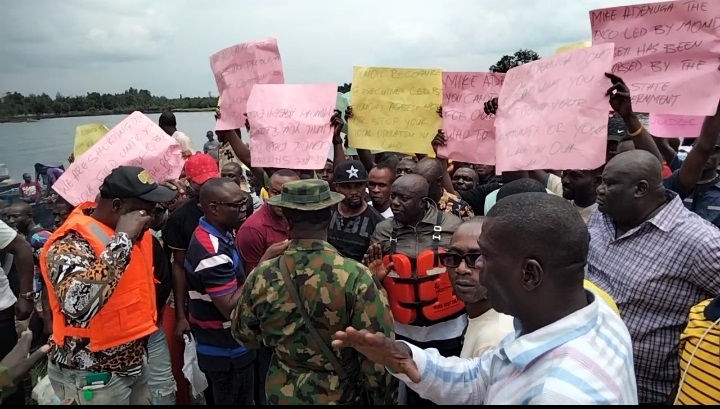
Oil-producing communities in Ondo State have issued a strong warning to their Itsekiri neighbours over what they described as attempts to lay claim to or encroach on their ancestral lands and oil-bearing territories.
The communities, which are located within Ondo’s oil-producing belt, called for respect for existing boundaries and urged all parties to avoid actions capable of escalating tensions in the region.
They maintained that the ownership and control of their ancestral lands remained a sensitive issue and should be addressed through established legal, traditional and governmental channels rather than confrontation.
Communities raise alarm over alleged encroachment
The affected communities expressed concern over what they described as increasing activities by individuals linked to the Itsekiri community in areas they insist belong to Ondo State and its indigenous people.
They warned that continued encroachment could create unnecessary tension among neighbouring communities that have historically maintained social, economic and cultural relationships.
The communities urged the relevant authorities to intervene before the disagreement develops into a wider conflict.
They stressed that their position was not intended to create hostility with the Itsekiri people but to protect what they described as their ancestral heritage and legitimate interests.
Land ownership remains sensitive issue
Land disputes have historically been a major source of tension in several oil-producing areas of the Niger Delta.
The discovery of oil and the economic value attached to oil-bearing communities have often complicated existing questions over traditional ownership, boundaries and control of natural resources.
In Ondo’s coastal communities, land is particularly important because of its connection to livelihoods, fishing, farming and oil-related activities.
Community leaders therefore insist that any dispute over boundaries must be carefully handled to prevent disagreements from affecting the peace and economic activities of residents.
Call for respect for traditional boundaries
The communities called on individuals and groups to respect established traditional boundaries and refrain from entering disputed areas without appropriate consultation.
They also appealed to traditional rulers and community leaders on both sides to intensify dialogue and ensure that disagreements are resolved peacefully.
According to the communities, traditional institutions have an important role to play in preventing disputes from escalating, particularly in areas where historical relationships between neighbouring groups are complex.
They urged leaders to prioritise peace and the welfare of residents rather than allowing disagreements over land to create divisions.
Oil wealth adds to tension
The controversy is occurring in an area with significant economic importance to Ondo State and Nigeria’s oil industry.
Ondo is one of the oil-producing states in the country, with petroleum activities contributing to the state’s economy and providing opportunities for local communities.
The communities argued that the economic significance of the area makes it even more important for all stakeholders to respect legitimate boundaries.
They expressed concern that disputes over oil-producing territories could have wider consequences if they are not addressed through proper mechanisms.
Communities seek government intervention
The affected communities called on the Ondo State Government and relevant federal agencies to pay close attention to the situation.
They urged authorities to clarify boundaries where necessary and ensure that disputes are addressed in accordance with existing laws and official records.
They also called for meaningful engagement with traditional rulers and representatives of affected communities.
Such an approach, they said, would help prevent misinformation and reduce the possibility of confrontations between residents.
Need for peaceful resolution
Despite the strong warning issued by the communities, stakeholders have continued to emphasise the need for peaceful resolution of the dispute.
Community disagreements can quickly escalate when accusations of land grabbing, encroachment or resource control are made.
A peaceful resolution would therefore require all sides to refrain from provocative actions and allow appropriate authorities to investigate competing claims.
Legal processes, historical records, surveys and traditional evidence could all play a role in determining the boundaries where disputes exist.
Importance of dialogue
Dialogue remains one of the most effective ways of addressing disputes between neighbouring communities.
The communities urged their leaders to maintain communication with Itsekiri representatives and explore opportunities for resolving disagreements without resorting to confrontation.
They stressed that the people living in the affected areas would ultimately bear the consequences if tensions escalated.
A peaceful environment is particularly important for communities whose residents depend on fishing, farming, trading and other economic activities for their livelihoods.
Protecting local interests
The communities also emphasised the need to protect the interests of indigenous residents in areas affected by oil exploration and other economic activities.
They argued that local communities should not be excluded from discussions concerning land, environmental issues and development projects within their territories.
Community participation, they said, was essential to ensuring that decisions affecting residents were transparent and acceptable.
They also called for greater attention to the environmental and socio-economic impact of oil activities on host communities.
Wider implications for the Niger Delta
The disagreement reflects broader challenges associated with land ownership and resource control across the Niger Delta.
The region is home to numerous ethnic groups and communities whose traditional territories sometimes overlap or remain the subject of historical disagreements.
The presence of valuable natural resources can further intensify such disputes.
Stakeholders have therefore continued to advocate for clearer boundary demarcation, stronger community engagement and effective dispute-resolution mechanisms.
Appeal for restraint
The Ondo communities urged their residents to remain calm and avoid taking the law into their own hands.
They said their warning should be understood as a demand for respect for their territorial rights rather than an invitation to confrontation.
They also urged young people in the affected communities to avoid actions that could undermine peace or create security challenges.
For the communities, the priority is to protect their ancestral lands while ensuring that the dispute does not damage relationships with neighbouring groups.
Looking ahead
The situation is expected to require sustained engagement among the affected communities, traditional institutions and government authorities.
Resolving the disagreement peacefully would help protect lives, livelihoods and economic activities while preventing a local dispute from becoming a wider security challenge.
The Ondo oil communities have made their position clear, insisting that their ancestral lands must be respected and that any competing claims should be addressed through legitimate channels.
The challenge now is for all parties to embrace dialogue and allow the appropriate authorities to determine the facts surrounding the disputed areas.
With effective mediation, respect for traditional boundaries and a commitment to peaceful coexistence, stakeholders can address the disagreement without allowing it to undermine the fragile peace in the oil-producing communities of Ondo State.