

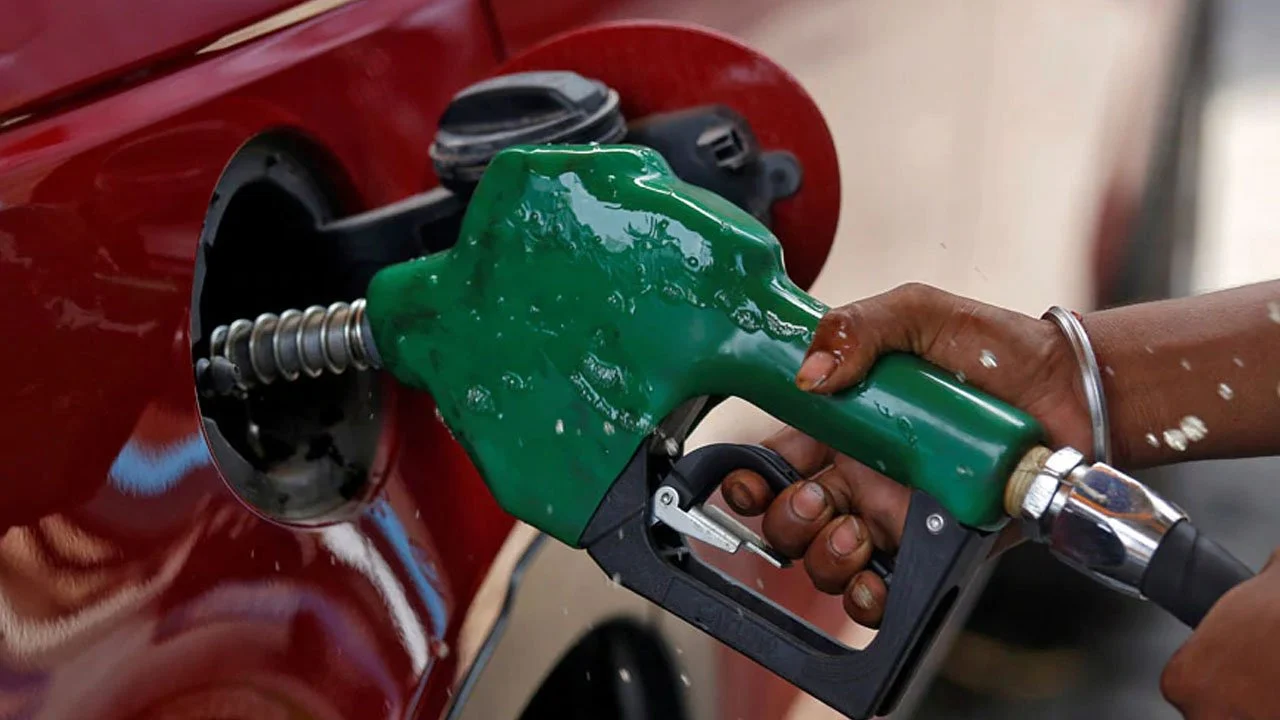
The Federal Government’s proposed petrol discount scheme could cost about 0.4 per cent of Nigeria’s Gross Domestic Product (GDP), raising questions about its potential impact on public finances and the country’s economic outlook.
The proposed intervention is expected to provide some relief to Nigerians grappling with high petrol prices and the rising cost of living. However, the projected cost could place additional pressure on government finances, particularly as authorities seek to balance social support measures with other spending priorities.
Petrol prices have remained a major concern for households and businesses, with increases in fuel costs contributing to higher transportation fares, food prices and operating expenses across several sectors of the economy.
A discount scheme could help reduce some of these pressures by lowering the effective cost of petrol for eligible consumers. It may also offer temporary relief to small businesses and transport operators whose activities depend heavily on fuel.
However, the financial implications of the programme would depend on its design, duration, eligibility criteria and the number of beneficiaries. A broad-based subsidy could require substantially more public funding than a targeted scheme designed to support the most vulnerable households.
Economists have consistently highlighted the need for governments to carefully assess the costs of fuel-related interventions, particularly in an economy facing competing demands for infrastructure, healthcare, education and social protection.
There are also concerns about the possibility of implementation challenges, including the effective distribution of discounts, transparency in the use of public funds and ensuring that the benefits reach intended recipients.
The government would therefore need to establish clear monitoring mechanisms and transparent funding arrangements to limit potential abuses and ensure that the programme delivers measurable benefits.
While the proposed petrol discount could offer short-term relief to consumers, its long-term sustainability would depend on the government’s ability to manage the fiscal burden without undermining other development priorities.
Further details on the scheme’s implementation framework, funding arrangements and eligibility requirements would help determine its likely impact on public finances and the wider Nigerian economy.