

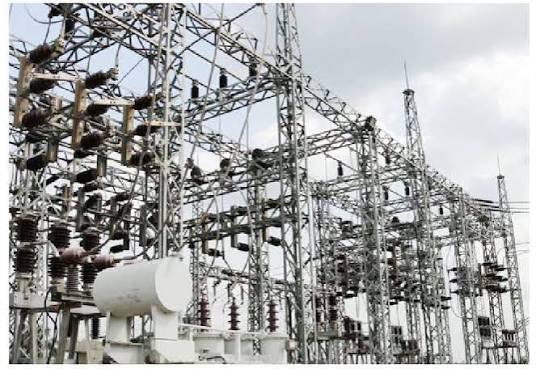
The Nigerian Independent System Operator (NISO) has attributed the recent decline in electricity generation across the country to persistent gas supply shortages and low water levels at hydropower stations.
The operator explained that the challenges had affected the ability of power generation companies to produce sufficient electricity to meet the country’s growing demand.
According to NISO, inadequate gas supply to thermal power plants remains one of the major factors limiting electricity generation, while reduced water levels at hydropower facilities have further weakened the country’s overall power supply capacity.
Nigeria relies heavily on gas-fired power plants for electricity generation, making the availability of natural gas critical to maintaining stable power supply across the national grid.
However, recurring gas supply challenges, including inadequate deliveries and infrastructure limitations, have continued to affect the operations of several thermal generating stations.
The situation has been compounded by declining water levels at hydropower plants, which depend on sufficient water reserves to generate electricity.
When water levels fall, the capacity of these facilities to produce electricity is reduced, leaving the national grid with fewer megawatts available for distribution.
NISO noted that the combination of these challenges had contributed to the reduction in electricity supplied to the national grid, raising concerns over the stability of power supply across the country.
Impact on Electricity Consumers
The decline in power generation could further worsen electricity supply challenges for households, businesses and industries that depend on stable electricity for their daily operations.
Small businesses, manufacturers and commercial establishments are particularly vulnerable to power disruptions because many rely on alternative sources of energy, including petrol and diesel generators, to sustain their activities.
The development could also increase operating costs for businesses already struggling with high energy expenses.
For households, reduced electricity generation may translate into longer periods without public power supply, depending on the available electricity distributed by power distribution companies.
Nigeria’s Persistent Power Sector Challenges
Nigeria’s electricity sector has continued to face several structural challenges, including inadequate generation capacity, ageing infrastructure, transmission limitations, gas supply constraints and liquidity problems across the electricity value chain.
Despite the country’s significant natural gas resources and numerous power generation facilities, electricity production has frequently struggled to meet national demand.
The situation has also raised questions about the effectiveness of ongoing government interventions aimed at improving generation, transmission and distribution.
Industry stakeholders have repeatedly called for increased investment in gas infrastructure, improved maintenance of power plants and stronger coordination among operators in the electricity sector.
Call for Sustainable Solutions
The latest explanation by NISO highlights the need for urgent measures to address the underlying challenges affecting electricity generation in Nigeria.
Improving gas supply to thermal power plants, investing in gas transportation infrastructure and strengthening the management of hydropower facilities are considered important steps towards improving electricity production.
There is also a need to expand alternative energy sources, particularly renewable energy, to reduce the country’s dependence on gas-fired power plants and hydropower facilities.
As electricity demand continues to grow, stakeholders are expected to intensify calls for practical solutions that will improve generation capacity, strengthen the national grid and ensure more reliable electricity supply for Nigerians.
For millions of households and businesses, the priority remains a stable and affordable power supply capable of supporting economic activities and improving living standards.