

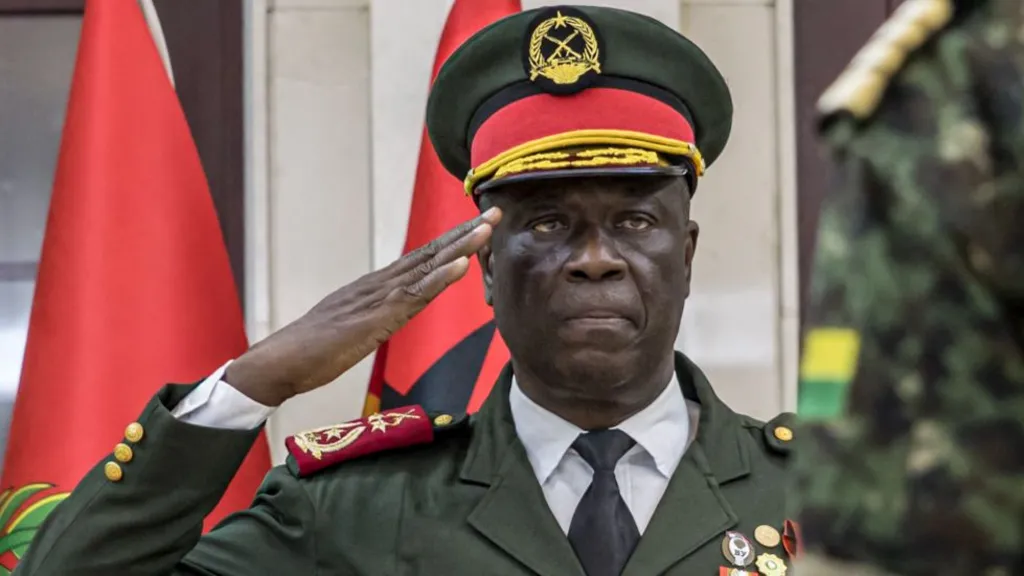
Military authorities in Guinea-Bissau have announced that presidential and legislative elections will be held on 6 December, marking a critical step in the country’s transition back to civilian rule. Transitional President Horta N’Tam signed the decree after consultations with the National Transitional Council, government officials, and the electoral commission.
N’Tam assured reporters that conditions for free and fair elections had been met, despite skepticism from regional observers. Since seizing power from President Umaro Sissoco Embaló in November, the junta has faced mounting pressure from the West African bloc Ecowas, which had demanded a shorter transitional timeline and threatened sanctions.
Regional Bloc and Observers Remain Wary
Ecowas previously rejected the junta’s proposal for a one-year transition, suspending Guinea-Bissau from its decision-making bodies. It remains uncertain how the bloc will respond to the newly announced timetable.
The November 2025 coup drew widespread criticism, particularly as it occurred on the eve of official election results. Both Embaló and his challenger Fernando Dias had claimed victory, while the military insisted it acted to prevent destabilization. Some observers, including former Nigerian President Goodluck Jonathan, suggested the coup was staged.
With the transitional charter barring N’Tam and his prime minister from contesting, attention now turns to potential candidates. Yet, given the trend of coup leaders in West Africa consolidating power, analysts question whether Guinea-Bissau will truly break the cycle of instability.