

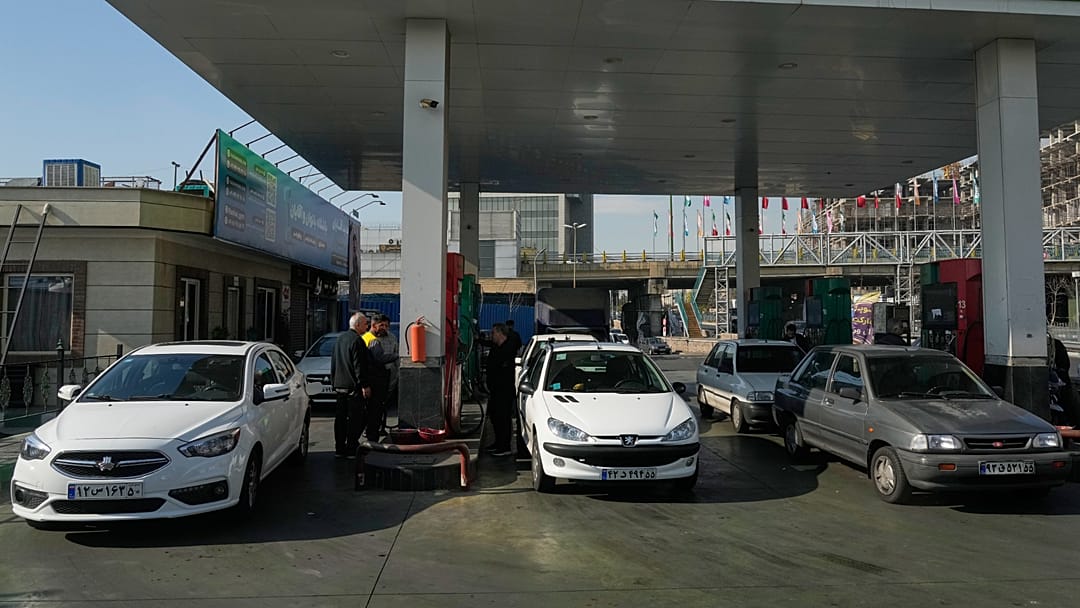
TEHRAN, Iran — Iran has introduced a new pricing tier for its nationally subsidized gasoline, marking the most significant change to its fuel-subsidy system since the 2019 price hike that triggered nationwide protests and a deadly crackdown.
Cheap gasoline has long been considered a birthright in Iran, but the government faces mounting pressure from a depreciating rial and international sanctions linked to its nuclear program. Subsidies have become increasingly costly, with the International Energy Agency ranking Iran as the world’s second-highest energy subsidizer in 2022, behind Russia.
New Pricing Structure
- First 60 liters/month: 15,000 rials per liter (≈1.25 US cents).
- Next 100 liters: 30,000 rials per liter (≈2.5 US cents).
- Beyond quota: 50,000 rials per liter (≈4 US cents).
Even at the new rate, Iranian gasoline remains among the cheapest globally.
Public and Expert Views
At gas stations in northern Tehran, drivers appeared calm, with no long queues or unrest. But many citizens expressed frustration at the government’s unilateral decision-making.
Economist Hossein Raghfar warned that subsidies have trapped Iran’s economy in a cycle of inflation and deficit, noting gasoline prices have risen 15-fold since 2009. Critics say every 10,000-rial increase could push inflation up by 5%, in a country already struggling with 40% annual inflation.
Taxi drivers and workers voiced skepticism, recalling the 2019 protests when a sudden 50% price jump sparked demonstrations across 100 cities, leaving at least 321 people dead according to Amnesty International.
Future Outlook
Oil Minister Mohsen Paknejad said the move is a step toward correcting fuel consumption trends, with officials hinting at further price reviews every three months. Analysts believe the government is treading cautiously to avoid reigniting unrest, while still seeking to reduce the massive fiscal burden of subsidies.