

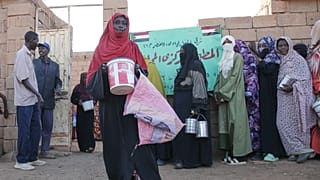
More than 100 charity‑kitchen workers have been killed since Sudan’s civil war began, according to testimonies gathered by the Associated Press and data from the Aid Workers Security Database. The killings highlight the extreme risks faced by volunteers who have become the last line of support for starving civilians in conflict‑hit regions like Darfur.
Humanitarian Workers Under Attack in Sudan
Many of the victims were community volunteers running public kitchens, which distribute food, water, and basic medicines to displaced families.
- In al‑Fasher, 19‑year‑old Enas Abab lost her father after Rapid Support Forces (RSF) fighters abducted him and demanded ransom. When the family couldn’t pay, they were told he had been killed.
- Another worker, Farouk Abkar, survived drone strikes and beatings while serving at a kitchen in Zam Zam camp. He eventually fled on foot for 10 days to Egypt, where he now lives in overcrowded conditions without access to medical care.
Why Kitchen Workers Are Being Targeted
The UN says it is unclear whether workers are attacked because of their humanitarian role or because fighters suspect them of supporting rival factions. Activists note that kitchen workers are high‑visibility figures in their communities, making them easy targets for:
- Abductions
- Ransom demands (often between $2,000 and $5,000)
- Beatings and intimidation
- Killings
The War’s Impact on Civilians
The RSF and Sudanese army have been at war since April 2023, with Darfur among the hardest‑hit regions.
- When RSF forces overran al‑Fasher, only 40% of the city’s 260,000 residents managed to escape alive.
- Thousands were wounded, and the fate of many others remains unknown.
- Famine is spreading as food supplies collapse and aid routes are cut off.
Public kitchens have become the only reliable food source in many areas, but the people running them are increasingly being hunted.
A Growing Refugee Crisis
Families of slain or abducted workers continue to flee:
- Enas Abab escaped to Egypt with her young son after her husband also disappeared.
- Many others are crossing borders into Chad, South Sudan, and Egypt, often on foot and without resources.
What This Means for Sudan
The killings deepen an already catastrophic humanitarian crisis. With aid agencies blocked or attacked, community‑run kitchens are the backbone of survival — yet the very people keeping them alive are being eliminated.