
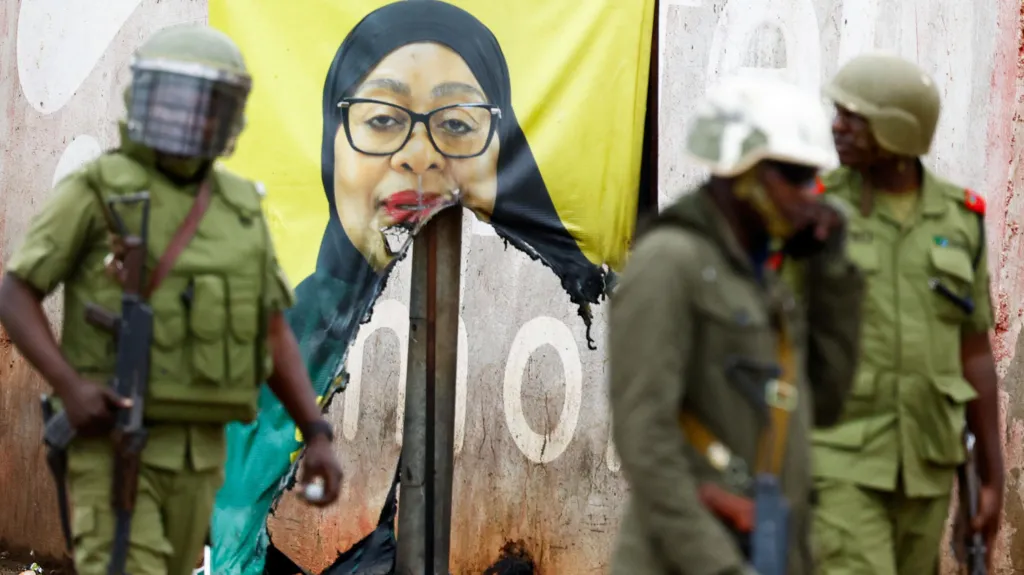

A government‑appointed commission in Tanzania has revealed that 518 people died from “unnatural causes” during the widespread unrest that followed last year’s general election — the first time authorities have publicly acknowledged the scale of the violence.
What the Inquiry Found
Commission chair Mohamed Chande Othman said the deaths included:
- 197 people shot dead
- 490 men, 21 children, and 16 security officers among the victims
- More than 2,000 people injured, including 120 security personnel
He noted that the true toll may be higher, as some victims were buried without official reporting.
The commission did not identify who was responsible for the killings, recommending further investigations.
Background to the Violence
The unrest erupted after President Samia Suluhu Hassan was declared the winner of the 29 October election with 98% of the vote, following the exclusion of major opposition candidates. Opposition parties and human rights groups had accused security forces of a brutal crackdown, claiming thousands were killed — allegations the government denied.
International observers, including the African Union and SADC, said the election fell short of democratic standards.
Verified BBC footage from the time showed police firing tear gas and live rounds toward protesters.
Government Response
Receiving the report, President Samia said the violence “shook our nation” but defended security agencies, claiming they prevented the country from sliding into anarchy.
She insisted the unrest was planned, coordinated, and financed by individuals seeking to make Tanzania “ungovernable” and create a leadership vacuum.
The president announced a new criminal investigation body to probe:
- Deaths and missing persons
- Alleged abductions
- Looting and property destruction
- Claims of children killed during the unrest
Opposition Reaction
The main opposition party, Chadema, dismissed the report as a “cover‑up”, arguing that a commission appointed by the president could not be impartial when the government itself was accused of wrongdoing.
Deeper Causes
The commission cited underlying drivers of the unrest, including:
- Economic hardship
- Political grievances
- Youth frustration over a one‑party‑dominated system
- Demands for reform and unemployment pressures
It concluded that the protests were not peaceful or lawful, and therefore not protected under Tanzanian law.
Key Recommendations
The commission proposed:
- Free medical and psychosocial support for victims
- A national day of mourning
- A criminal inquiry to determine accountability
- A new constitution by 2028
- A reconciliation commission to rebuild trust