

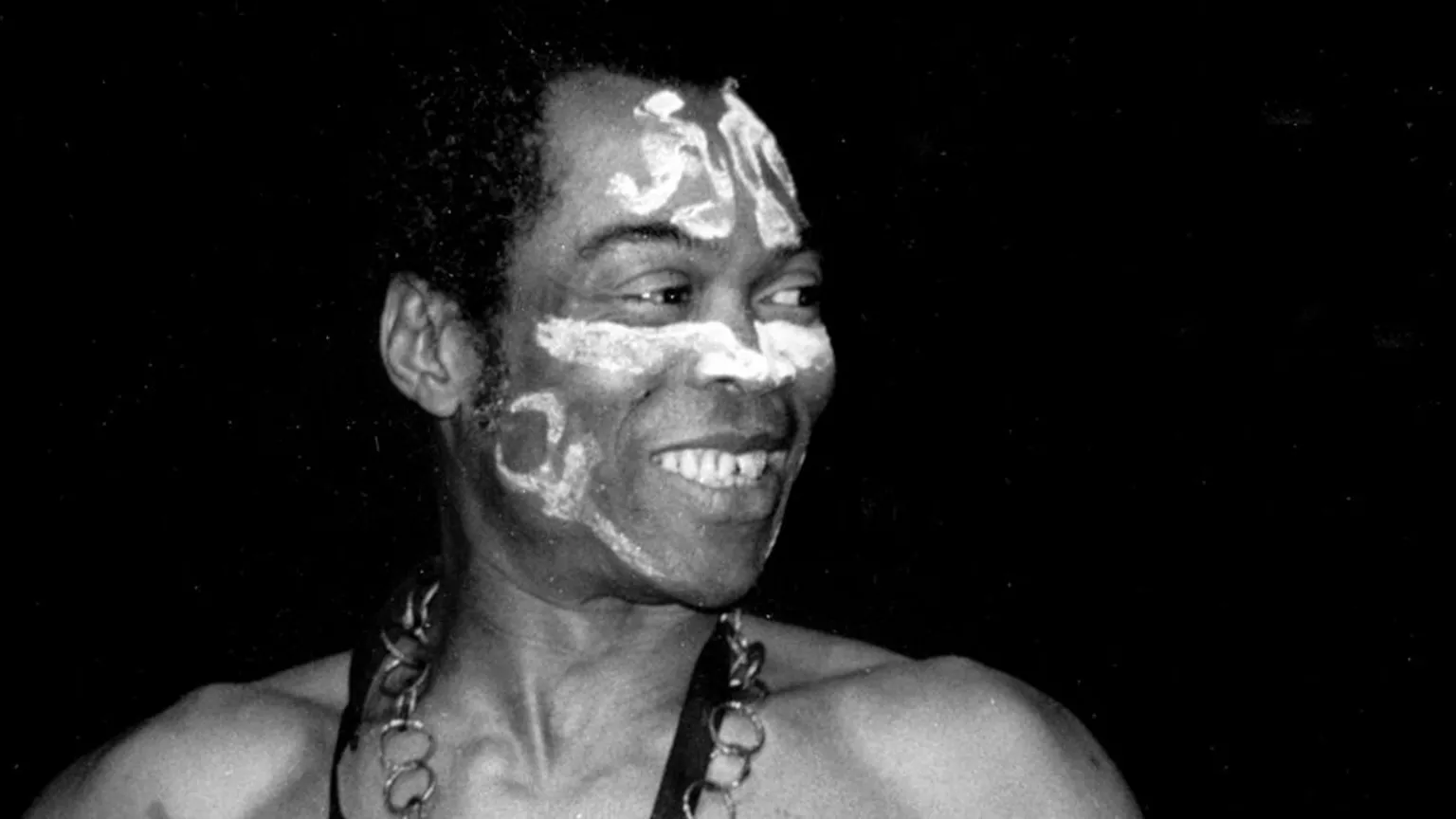
LOS ANGELES/LAGOS — The late Nigerian icon Fela Anikulapo Kuti, long celebrated by fans as the king of Afrobeat, has become the first African artist to receive the Grammys Lifetime Achievement Award. The honor, announced nearly three decades after his death in 1997, cements his place not only as a musical innovator but also as a cultural and political force whose legacy continues to resonate worldwide.
A Long‑Awaited Recognition of Nigeria‘s Music Legend Fela Kuti
Fela’s son, Seun Kuti, himself a musician, described the award as “a double victory,” noting that his father had already been immortalized in the hearts of the people. “Now the Grammys have acknowledged it, and it’s bringing balance to a Fela story,” he told the BBC.
Rikki Stein, Fela’s longtime manager and friend, echoed the sentiment, calling the recognition “better late than never.” He noted that Africa had historically been overlooked by the Grammys, but recent years have seen a shift, with categories such as Best African Performance introduced in 2024.
Afrobeat’s Global Legacy
Fela Kuti pioneered Afrobeat in the 1970s alongside drummer Tony Allen, blending West African rhythms with jazz, funk, highlife, and politically charged lyrics. His music was characterized by extended improvisations, call‑and‑response vocals, and a relentless energy that electrified audiences.
Distinct from the modern Afrobeats genre that dominates global charts today, Afrobeat was deeply rooted in protest and ideology. Fela’s songs castigated corruption, military repression, and social injustice in Nigeria, making him both a cultural theorist and political agitator.
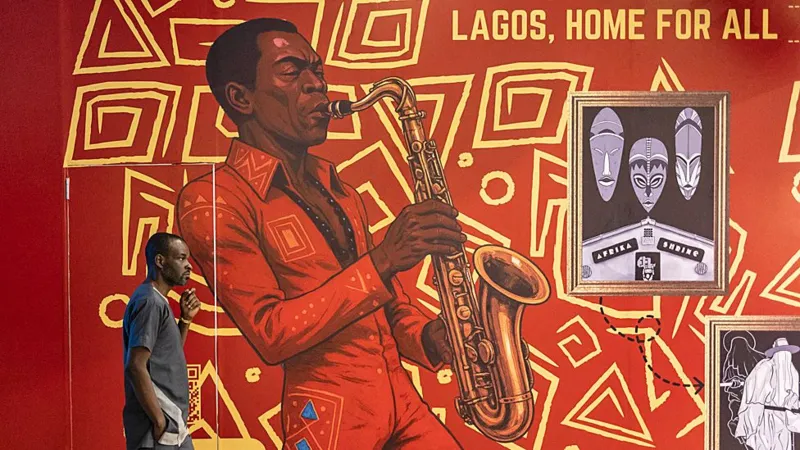
Across a career spanning three decades, Fela released more than 50 albums, building a body of work that fused rhythm with resistance and performance with protest. His legendary performances at the Afrika Shrine in Lagos became cultural landmarks, drawing crowds who saw his music as both entertainment and activism.
Clash With Authority
Fela’s fearless critique of Nigeria’s military regimes often brought him into direct conflict with the state. His 1977 album Zombie, which mocked soldiers as mindless enforcers, provoked a brutal raid on his compound, the Kalakuta Republic. The property was burned, residents were beaten, and his mother, Funmilayo Ransome‑Kuti, later died from injuries sustained in the assault.
Rather than retreat, Fela responded with defiance. He carried his mother’s coffin to government offices and released the song Coffin for Head of State, turning personal grief into political protest.
Throughout his life, he endured repeated arrests, censorship, and surveillance, yet repression only amplified his influence. His ideology combined pan‑Africanism, anti‑imperialism, and African‑rooted socialism, shaped by his mother’s activism and sharpened by his association with US‑born singer and activist Sandra Izsadore.
A Complex Personal Life
Fela’s life was as unconventional as his music. In 1978, he married 27 women in a single ceremony, bringing together performers, partners, and collaborators in a communal vision of Kalakuta Republic. He later dropped “Ransome” from his name, rejecting its colonial roots, and adopted “Anikulapo,” meaning “he who carries death in his pouch.”
Despite his controversial lifestyle, Fela’s commitment to liberation and fearless pursuit of truth made him a hero to millions across Africa and the diaspora.
Grammys and Africa’s Rising Profile
The Grammys’ recognition of Fela comes amid a broader embrace of African music on the global stage. Nigerian superstar Burna Boy has multiple nominations this year, including in the Best Global Music Album category, while the new Best African Performance award reflects the surging popularity of Afrobeats worldwide.
Fela’s posthumous honor places him alongside other recipients of the 2026 Lifetime Achievement Award, including Carlos Santana, Chaka Khan, and Paul Simon. The award, first presented in 1963 to Bing Crosby, recognizes artists who have made outstanding contributions to the recording industry.
Outlook: A Legacy Beyond Awards
For Fela’s family, friends, and fans, the award is not just about recognition but about reaffirming his enduring relevance. “He wasn’t doing what he was doing to win awards. He was interested in liberation. Freeing the mind,” Stein said. “He was fearless. He was determined.”
Fela’s music continues to inspire new generations, from Lagos to London, New York to Johannesburg. His legacy lives on in the rhythms of Afrobeat, the global success of Afrobeats, and the political consciousness of artists who see music as a tool for change.
The Grammys may have taken decades to honor him, but for millions, Fela Kuti has always been more than a musician — he was a revolutionary voice, a cultural architect, and a symbol of resistance whose sound still reverberates across the world.