

A deadly outbreak of Rift Valley Fever has swept through Mauritania and Senegal, killing 42 people and infecting more than 400 between September 20 and October 30, according to the World Health Organization (WHO).
Animals at Risk, Humans Affected
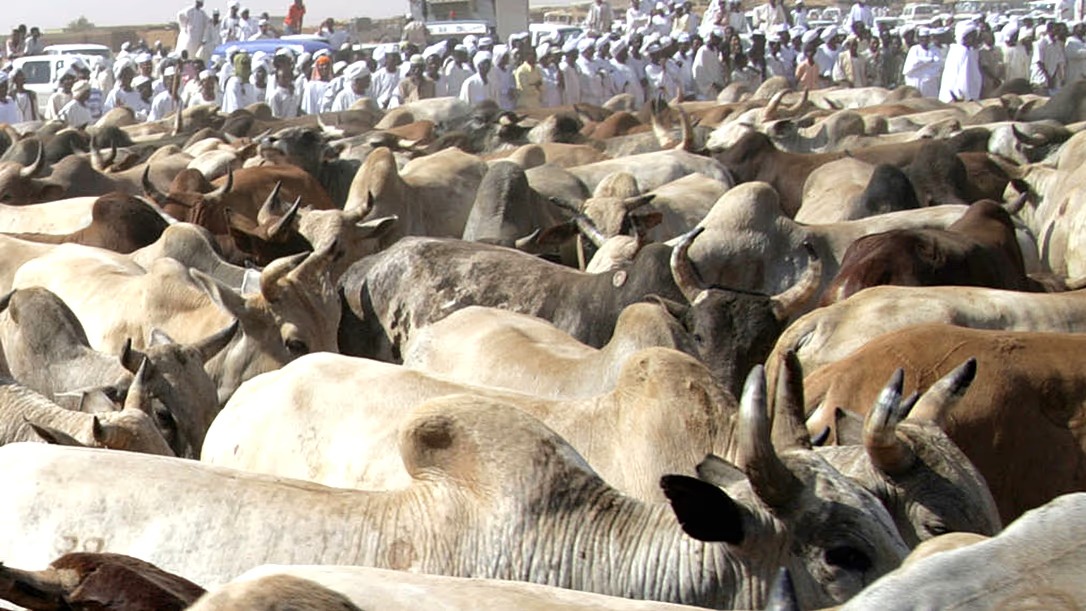
In Mauritania, 200 animals tested positive for the virus, while Senegal reported 176 infected livestock. Rift Valley Fever is primarily mosquito-borne and affects animals, but it can also be transmitted to humans through contact with infected bodily fluids.
Severe Health Threats
In its most dangerous form, the virus can lead to hemorrhagic fever and encephalitis in humans—both potentially fatal. The outbreak has placed immense pressure on health systems and raised concerns about containment and treatment.
Economic Fallout
Beyond the human toll, the fever is devastating agricultural communities. Infected livestock suffer high mortality and abortion rates, threatening food security and rural livelihoods.
Vaccine Gaps
While vaccines exist for animals, no human vaccine has been licensed yet, leaving populations vulnerable during outbreaks.
As health authorities race to contain the spread, the outbreak underscores the urgent need for stronger surveillance, public awareness, and investment in vaccine development.