

LONDON/KIGALI — Rwanda has launched legal proceedings against the United Kingdom at the Permanent Court of Arbitration (PCA) in The Hague, seeking payments it claims are owed under the now‑defunct migrant resettlement agreement. The move escalates tensions between the two countries and revives debate over one of the most controversial policies in recent British politics.
Background: The Rwanda Policy
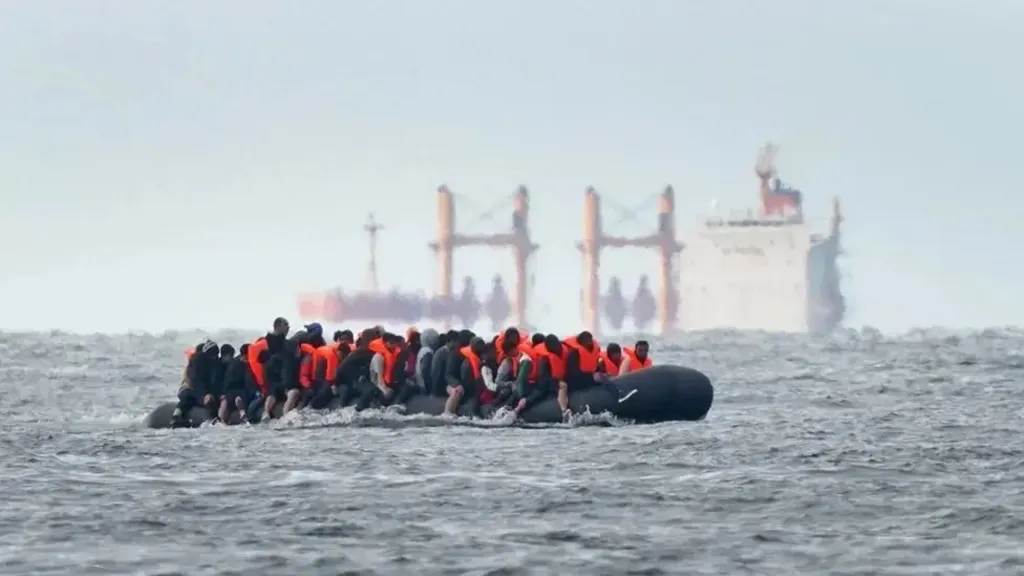
The deal, signed by the previous Conservative government, was intended to deter migrants from crossing the English Channel in small boats. Under the agreement, asylum seekers arriving in the UK could be relocated to Rwanda, where they would be processed and potentially resettled.
In return, the UK pledged hundreds of millions of pounds to Rwanda — both to host asylum seekers and to support its economy. The scheme was billed as a bold solution to irregular migration but quickly became mired in legal challenges, criticism from human rights groups, and questions about its effectiveness.
Collapse of the Agreement
When Sir Keir Starmer’s Labour government came to power in 2024, it swiftly declared the plan “dead and buried.” The Home Office announced that £220 million in scheduled future payments would not be made, arguing that the scheme had failed to deliver results.
Indeed, despite an estimated £700 million spent, only four volunteers were ever relocated to Rwanda. Critics branded the policy a costly failure, while supporters insisted it could have worked if given more time.
Rwanda’s Case
Rwanda’s Ministry of Foreign Affairs confirmed that arbitration proceedings were initiated in November 2025. According to government adviser Michael Butera, the case “concerns the performance of specific commitments under the treaty.” Rwanda argues that the UK is legally bound to honor financial obligations, regardless of the scheme’s termination.
The treaty included a break clause, allowing either party to withdraw with written notice. However, Rwanda maintains that certain payments were tied to commitments already made and cannot simply be canceled.
The Arbitration Process
The PCA, headquartered in The Hague, is a forum for resolving disputes between states. Similar to commercial arbitration, it offers an alternative to lengthy and politically damaging court battles.
Cases typically involve timetables for submissions and hearings, but they can take years to resolve. The PCA has the power to issue binding rulings, meaning the UK could ultimately be compelled to pay Rwanda if found in breach of the agreement.
Political Fallout in the UK
The legal action has sparked fierce political debate in London. A spokesman for Prime Minister Starmer said the government would “robustly defend our position to protect British taxpayers,” calling the Rwanda scheme “a complete disaster.”
Conservative shadow home secretary Chris Philp countered that the arbitration was “yet another catastrophic consequence of Labour’s decision to scrap the Rwanda scheme before it even started.” He argued that Labour’s “weakness and incompetence” had left taxpayers exposed to a potential bill.
The dispute highlights the political risks of high‑profile migration policies, particularly when they involve large financial commitments and international partners.
Rwanda’s Position
Rwanda has insisted it is under “no obligation” to refund money already received. The country argues that it invested resources in preparing to host asylum seekers and fulfilled its side of the bargain.
Officials say diplomatic exchanges were attempted before arbitration was launched, but with no resolution, Kigali turned to international law.
Wider Implications
The case underscores the challenges governments face in managing migration through external partnerships. It also raises questions about accountability for taxpayer spending on controversial schemes.
For Rwanda, the arbitration is about more than money — it is also about credibility. Having agreed to host asylum seekers, Kigali now seeks to demonstrate that it honored its commitments and expects the same from its partner.
For the UK, the case is a reminder of the political and financial costs of policies that fail to deliver. With migration still a pressing issue, the government must balance deterrence strategies with legal obligations and international diplomacy.
Outlook
The PCA has yet to set a timetable for the case, and proceedings could take years. In the meantime, the dispute will continue to reverberate in both London and Kigali.
Whether Rwanda succeeds in securing additional payments or not, the arbitration highlights the risks of ambitious migration deals — and the enduring consequences when they collapse.