

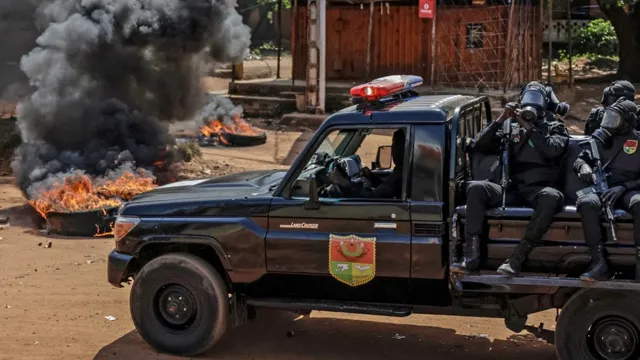
BISSAU, Guinea-Bissau — Military takeovers are nothing new in Guinea-Bissau, which has endured at least nine coups or attempts since independence in 1974. But last Wednesday’s announcement by soldiers that they had seized control of the country has sparked scepticism among analysts and political figures.
Gunfire was heard near the presidential palace, President Umaro Sissoco Embaló was arrested, and soldiers addressed the nation on state television — all hallmarks of a coup. Yet circumstances surrounding the incident have raised doubts, with Senegal’s Prime Minister Ousmane Sonko and former Nigerian President Goodluck Jonathan suggesting the takeover may have been orchestrated by Embaló himself.
Election Disrupted
The takeover came just three days after presidential elections in which Embaló sought a second term against challenger Fernando Dias da Costa. Results were due to be released the day after the coup, but the electoral commission’s headquarters was attacked, paperwork destroyed, and servers wiped — preventing publication of the vote.
Suspicion and Skepticism
Embaló was released and flown to Senegal with his family, a detail critics found suspicious. Jonathan described the incident as a “ceremonial coup,” noting that deposed leaders are rarely allowed to address foreign media while under arrest.
Analysts say Embaló has previously dissolved parliament and postponed elections, fuelling suspicions he may have used the military to block unfavourable results. Others argue the armed forces acted independently to prevent a political stalemate.
New Leadership
Former army chief Gen. Horta N’Tam, considered close to Embaló, has been sworn in as transitional president for one year, appointing a 28-member cabinet. Embaló has since left Senegal for Congo-Brazzaville, while Dias has been granted asylum in Nigeria.
Public Reaction
Protests erupted in Bissau demanding the release of opposition leader Domingos Pereira and publication of election results. Civil society groups have called for strikes and civil disobedience, though some residents say they support the military if it improves living conditions.