

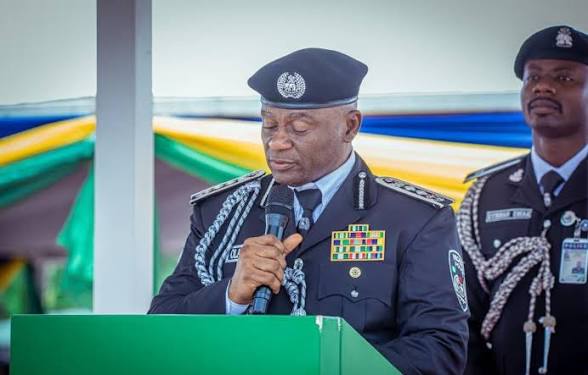
The Inspector-General of Police (IGP), Olatunji Dusu, has assured Nigerians that the Nigeria Police Force (NPF) will remain neutral and professional ahead of the 2027 general elections, insisting that the police will not be used as an instrument for advancing the political interests of any individual, party or group.
Dusu gave the assurance on Tuesday, November 24, 2026, while speaking at the 2027 Media Development Conference organised by the Centre for Journalism Innovation and Development (CJID) at the Abuja Continental Hotel.
The police chief stressed that the credibility of the Nigeria Police Force depends largely on public trust, accountability and its ability to discharge its constitutional responsibilities without political interference.
According to him, the police will treat all political parties and their supporters equally, regardless of their political affiliations or positions in government.
He explained that officers would be expected to demonstrate professionalism, impartiality and respect for the rule of law throughout the electoral process.
The IGP further warned that any police officer found engaging in partisan activities, supporting a particular candidate or political party, or using the authority of the police to advance political interests would face disciplinary action in accordance with the force’s code of conduct.
He maintained that the police would not tolerate actions capable of undermining public confidence in the institution, particularly during the sensitive period leading to the 2027 elections.
IGP Speaks on Police Neutrality and Electoral Security
As political activities gradually intensify ahead of the 2027 general elections, concerns have continued to emerge over the possible use of security agencies to intimidate political opponents, restrict lawful political activities or influence electoral outcomes.
Addressing these concerns, Dusu reiterated that the Nigeria Police Force must remain an impartial institution responsible for protecting every Nigerian, irrespective of political affiliation.
He noted that the responsibilities of the police go beyond maintaining public order, adding that officers must also protect citizens’ rights and ensure that political activities take place in a peaceful and lawful environment.
The IGP’s comments come amid growing calls from political stakeholders, civil society organisations and election observers for security agencies to demonstrate neutrality during the forthcoming electoral process.
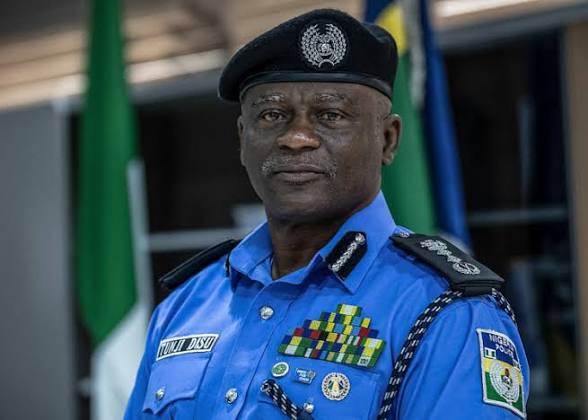
Police Warn Against Fake News and Digital Manipulation
The police chief also raised concerns about the increasing use of misinformation and digital manipulation to disrupt elections and create tension across the country.
He warned that election-related violence could be triggered through fake videos, manipulated audio recordings, fabricated reports and coordinated misinformation campaigns circulated on social media platforms.
According to him, the changing nature of political communication means that security agencies must pay greater attention to activities within the digital information environment.
He explained that misleading information could create unnecessary panic, provoke hostility between political supporters and potentially trigger violence if not properly addressed.
Dusu, however, stressed the importance of handling such matters professionally and within the provisions of the law.
IGP Addresses Concerns Over Cybercrime Law and Press Freedom
The Inspector-General also addressed concerns surrounding the alleged misuse of the Cybercrime Act against journalists and other citizens.
He assured media practitioners that journalism would not be treated as a criminal activity under his leadership, describing journalists as important partners in promoting accountability, transparency and national development.
He maintained that the police would not allow themselves to be used by politically motivated individuals to intimidate journalists or suppress legitimate criticism.
Dusu disclosed that the police had organised two symposiums since he assumed office to examine cybercrime laws and emerging digital offences.
He encouraged journalists and members of the public to familiarise themselves with the provisions of the Cybercrime Act, explaining that certain online activities could constitute offences under the law.
He also disclosed that personnel attached to the police cybercrime section were receiving training and improved resources to address emerging digital threats.
Police and Journalists to Strengthen Collaboration
Speaking further, Dusu called for stronger cooperation between the police and the media, noting that both institutions have important responsibilities in maintaining public confidence and promoting national security.
He said better communication between journalists and security personnel would help reduce misunderstandings, improve access to credible information and strengthen public awareness.
The IGP also disclosed that Commissioners of Police across the country had been directed to organise regular meetings with media organisations within their respective areas of responsibility.
He added that plans were underway for joint lectures and pre-election training sessions in Abuja and other states to improve journalists’ understanding of police operations and election security arrangements.
According to him, such engagements would provide opportunities for journalists to interact with police commanders and relevant units before the elections.
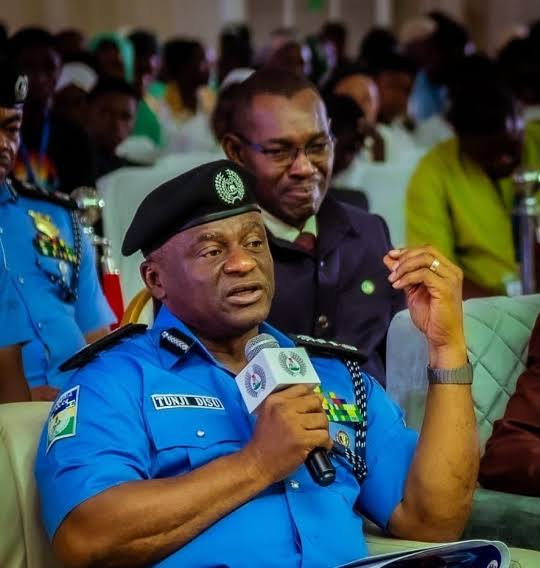
IGP Supports Safeguards for State Police
The police chief also spoke about the proposed establishment of state police in Nigeria, addressing concerns that governors could use the system to pursue personal or political interests.
He acknowledged the concerns but maintained that appropriate safeguards would be necessary to prevent state police structures from being hijacked by powerful individuals.
Dusu said provisions should be developed to ensure accountability and allow federal intervention where state policing arrangements become compromised.
He further noted that the National Assembly and other relevant stakeholders were working towards developing a framework that would reflect Nigeria’s peculiar security challenges rather than simply adopting foreign models.
He emphasised the importance of standardised police training across the country, explaining that officers operating in different states should undergo uniform professional training, even when their local responsibilities differ.
CJID Chairman Calls for Trust Between Police and Media
In his goodwill message, the Chairman of the CJID Board of Trustees, Professor Umaru Pate, commended the IGP for his engagement with media professionals and his assurances regarding police neutrality and accountability.
Pate described trust as an essential foundation for effective relations between the police and members of the public, particularly journalists.
He warned that a lack of trust could create suspicion, weaken institutional credibility and undermine cooperation between security agencies and the media.
The CJID chairman also observed that disagreements sometimes arise because journalists are under pressure to publish information quickly, while the police often consider certain details sensitive because of ongoing investigations.
He therefore advocated continuous dialogue, mutual understanding and improved communication between both institutions.
Expectations Ahead of the 2027 General Elections
The IGP’s assurance comes as preparations and political activities continue ahead of Nigeria’s 2027 general elections.
The neutrality of security agencies is expected to remain an important issue throughout the electoral process, particularly concerning the protection of voters, political candidates, electoral officials and election materials.
Nigerians will also be looking to the police to prevent political violence, protect peaceful campaigns and ensure that citizens can exercise their democratic rights without intimidation.
Although Dusu has promised that the police will not be used as a political tool, the implementation of this commitment will be closely watched by political parties, civil society organisations, journalists and members of the public.
Ultimately, the credibility of the police during the 2027 elections will depend not only on public assurances but also on the conduct of officers across the country.