

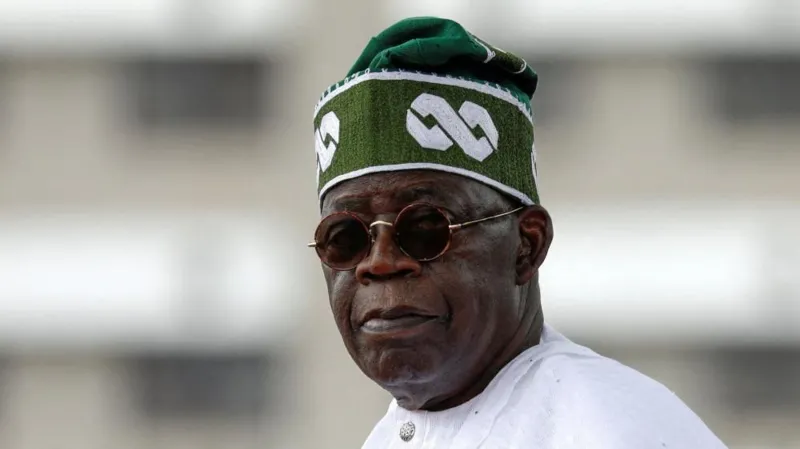
ABUJA, Nigeria — Sixteen Nigerian military officers arrested last October for alleged “acts of indiscipline and breaches of service regulations” are now set to face trial before a military judicial panel, following accusations that some of them were plotting to overthrow President Bola Tinubu’s government. The announcement has reignited debate about Nigeria’s complex history of military involvement in politics and the fragility of democratic institutions in West Africa.
The Allegations
According to an armed forces statement, the officers were accused of conspiring to unseat the elected government. While details remain scarce, the military emphasized that attempting to overthrow civilian authority is “inconsistent with the ethics, values, and professional standards” of the armed forces.
At the time of their arrest in October 2025, rumors of an attempted coup were dismissed by military officials as unfounded. However, subsequent investigations appear to have uncovered evidence serious enough to warrant trial for some of the accused. It is not yet clear how many of the 16 officers will face formal charges.
Nigeria’s Coup Legacy
Nigeria’s history of coups looms large over the current case. Between 1966 and 1993, the country experienced multiple military takeovers, with generals ruling for decades before the return to civilian democracy in 1999. Since then, Nigeria has enjoyed unbroken civilian rule, and the armed forces have repeatedly stressed their loyalty to constitutional authority.
This legacy makes allegations of coup‑plotting particularly sensitive. Even rumors of dissent within the ranks can spark public anxiety, especially in a region where coups have resurged in recent years.
Regional Context: A Resurgence of Coups
West Africa has witnessed a wave of military takeovers since the beginning of the decade. Governments in Mali, Burkina Faso, Niger, and Guinea have all been toppled by soldiers. In Guinea, junta leader Mamadi Doumbouya recently transitioned to elected civilian rule, but elsewhere military regimes remain entrenched.
Nigeria, as the region’s largest democracy and a key member of ECOWAS, has traditionally positioned itself as a stabilizing force. The trial of officers accused of plotting against Tinubu comes at a time of heightened vigilance, with regional leaders wary of contagion from neighboring states.
Military Pressures at Home
Analysts note that Nigeria’s armed forces are under intense operational pressure. They are simultaneously fighting:
- Militant jihadist groups in the northeast, including Boko Haram and ISWAP.
- Bandit gangs in the northwest, responsible for mass kidnappings and rural violence.
- Communal clashes in the central belt between farmers and herders.
These overlapping crises stretch resources thin and expose soldiers to public scrutiny. Some experts argue that frustration within the ranks, combined with resource constraints, may fuel indiscipline and rumors of dissent.
Ensuring Due Process
Military authorities have pledged that the trial will uphold “the principles of fairness and due process.” This assurance is crucial in a country where past coup allegations often led to swift and opaque punishments. Transparency in the proceedings will be key to maintaining public trust and demonstrating the military’s commitment to democratic norms.
Public Reaction and Implications
For many Nigerians, the announcement is both unsettling and reassuring. Unsettling because it revives memories of the coup‑ridden past, reassuring because the military is openly addressing the allegations through judicial channels rather than secrecy.
Observers say the trial will serve as a litmus test for Nigeria’s democratic resilience. If handled transparently, it could reinforce the military’s stated loyalty to civilian authority. If mishandled, it risks fueling speculation and undermining confidence in both the armed forces and the government.
Outlook
The trial of Nigerian officers accused of coup‑plotting underscores the delicate balance between military discipline and democratic stability. While Nigeria has enjoyed more than two decades of civilian rule, the shadow of its coup‑ridden past lingers.
As West Africa grapples with a resurgence of military takeovers, Nigeria’s ability to confront internal dissent while maintaining democratic order will be closely watched. For President Tinubu’s government, the case is not only about punishing indiscipline but also about reaffirming Nigeria’s role as a stabilizing force in a volatile region.