

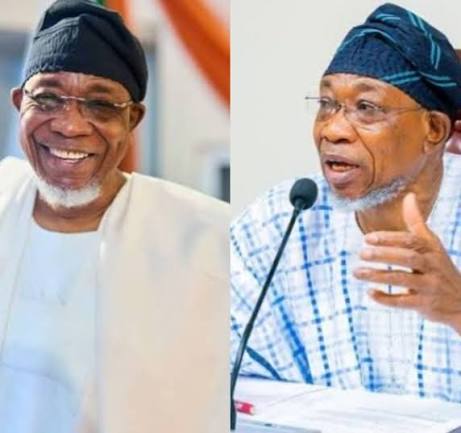
A former governor of Osun State, Rauf Aregbesola, has revealed that he did not own a personal house throughout his eight-year tenure in office, a statement that has sparked fresh conversations about leadership, modesty, and public service in Nigeria.
Aregbesola made the disclosure in a recently circulated video, where he reflected on his time in office and the principles that guided his administration.
A Claim of Modest Leadership
In the video, the former governor explained that his decision not to acquire personal property while serving was rooted in his values and commitment to public service. According to him, leadership should not be an avenue for personal enrichment but an opportunity to serve the people with integrity.
He noted that despite occupying one of the most powerful offices in the state, he remained focused on governance and delivering development projects rather than accumulating wealth.
Eight Years in Office
Rauf Aregbesola served as governor of Osun State from 2010 to 2018, during which he implemented various policies and programmes aimed at infrastructure development, education reform, and social welfare.
His tenure was marked by both commendations and criticisms, with supporters highlighting his developmental strides, while critics questioned aspects of his economic management.
Public Reactions
The statement has generated mixed reactions among Nigerians. Some have praised Aregbesola’s claim as a reflection of humility and accountability in public office, arguing that it sets a positive example for current and future leaders.
Others, however, have expressed scepticism, calling for greater transparency and verification of such claims, while emphasising that public service should always be subject to scrutiny.
Debate on Leadership Values
Aregbesola’s remarks have reignited broader discussions about the lifestyle of public office holders and the expectations placed on them. Many analysts argue that beyond personal claims, the focus should remain on policies, governance outcomes, and the overall impact of leadership on citizens’ lives.
Looking Ahead
As political discourse continues to evolve, statements like this contribute to ongoing debates about ethics, accountability, and the true meaning of service in governance.
For Rauf Aregbesola, the message appears clear: leadership, in his view, should be defined by service and sacrifice rather than personal accumulation.