

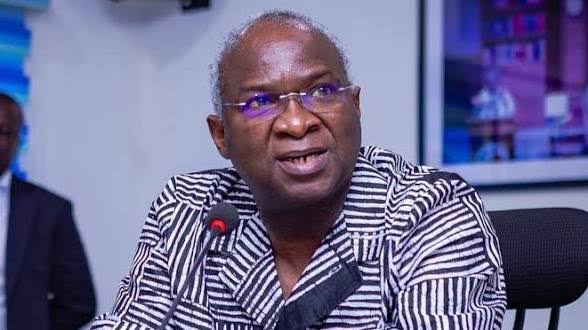
A former Minister of Works and Housing, Babatunde Fashola, has explained why he chooses not to publicly advise President Bola Ahmed Tinubu on television, stressing that governance requires discretion rather than media commentary.
Fashola made the remarks while responding to questions about national issues and the role of former public officials in offering guidance to the current administration.
Preference for Private Counsel
According to the former Lagos State governor, offering advice to a sitting president through television appearances is neither effective nor appropriate. He emphasised that meaningful counsel is better delivered through private and direct communication channels, where discussions can be more candid and constructive.
Fashola noted that public commentary, especially on sensitive policy matters, may be misinterpreted or politicised, thereby undermining its intended purpose.
Respect for Institutional Process
Highlighting the importance of institutional integrity, Babatunde Fashola stated that those who have held public office understand the complexities of governance and should respect established channels of engagement.
He explained that unsolicited public advice could create unnecessary pressure or distractions for those currently in office, particularly in a politically charged environment.
Role of Experience in Governance
Fashola, who has served in multiple high-profile roles, acknowledged that his experience could be valuable but insisted that it must be shared responsibly. He maintained that seasoned leaders should contribute in ways that strengthen governance rather than fuel public speculation or controversy.
His comments reflect a broader view that governance is best supported through collaboration and consultation behind the scenes, rather than through media soundbites.
Reactions and Public Debate
The statement has sparked mixed reactions, with some Nigerians agreeing that private counsel is more effective, while others argue that public accountability requires open discourse and transparency.
Analysts note that the debate highlights the delicate balance between constructive criticism and responsible engagement in democratic systems.
Broader Implications
Fashola’s position underscores ongoing discussions about how former government officials should interact with current administrations. While some choose to openly critique or advise through public platforms, others, like him, prefer a quieter, more discreet approach.
Looking Ahead
As Nigeria continues to navigate complex economic and political challenges, the role of experienced leaders remains crucial. Whether through public commentary or private engagement, stakeholders agree that their contributions should ultimately support effective governance and national development.
For Babatunde Fashola, however, the path is clear: advice, when necessary, should be given directly and respectfully—not through the glare of television cameras.