

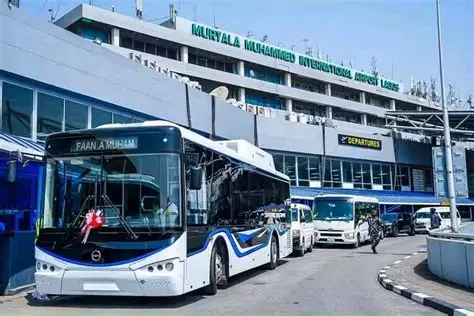
Airport transportation costs have reportedly risen by as much as 50 per cent following restrictions imposed by the Federal Airports Authority of Nigeria (FAAN) on ride-hailing operators, including Uber and Bolt, at some airports.
The development has triggered concerns among passengers and transport operators, with travellers reportedly paying significantly higher fares for airport taxis as the availability of alternative transportation options becomes limited.
The reported increase has added to the cost of air travel at a time when Nigerians are already grappling with rising transportation expenses and the broader impact of inflation on household budgets.
Passengers Face Higher Transport Costs
The restriction on ride-hailing services has reportedly left many passengers dependent on conventional airport taxi operators, who charge fares based on destination, time of travel and prevailing demand.
Travellers who previously relied on ride-hailing platforms for relatively predictable fares now have fewer options when leaving or arriving at the airport.
Some passengers have expressed concerns that the limited competition could encourage higher fares, particularly during peak travel periods when demand for taxis is high.
The reported 50 per cent increase has therefore generated renewed debate about the cost of transportation at Nigeria’s airports and the need for a system that provides passengers with safe, affordable and reliable mobility options.
FAAN’s Position
The Federal Airports Authority of Nigeria has maintained that its regulations governing commercial transportation services at airports are intended to ensure safety, security and orderly operations.
Airports are highly sensitive environments, requiring strict controls over access, vehicle movements and passenger pickup and drop-off points.
FAAN and other aviation stakeholders have consistently emphasised the importance of ensuring that commercial transport operators comply with airport rules and regulations.
The authority’s position is that transportation operators providing services within airport premises must operate under appropriate arrangements and meet the necessary requirements.
Ride-Hailing Operators Affected
The reported restrictions have particularly affected passengers who use digital platforms such as Uber and Bolt to arrange airport transportation.
Ride-hailing services have become increasingly popular among air travellers because of their convenience, app-based booking systems and transparent fare estimates.
Passengers can typically request a vehicle before leaving the terminal, track the driver and make payments through digital channels.
The restrictions have consequently raised concerns among frequent travellers who have become accustomed to using such platforms.
For some passengers, the issue goes beyond the cost of transportation, as ride-hailing services also provide an alternative to negotiating fares with individual taxi drivers.
Taxi Operators Benefit
Traditional airport taxi operators are expected to benefit from the reduced competition as more passengers turn to their services.
The operators provide an important transportation link between airports, city centres, hotels, business districts and residential areas.
However, the reported rise in fares has raised questions about whether passengers are receiving sufficient value for the additional cost.
Transport stakeholders have called for a balance between protecting the interests of licensed airport taxi operators and ensuring that passengers are not subjected to excessive charges.
Impact on Travellers
The development could have wider implications for passengers, particularly those travelling for business, tourism and other essential purposes.
Air travellers already contend with rising ticket prices, airport charges, accommodation costs and other travel-related expenses. An additional increase in airport transportation costs could make air travel even more expensive for individuals and families.
Business travellers may also face higher operational costs, particularly companies whose employees frequently travel between airports and different cities.
Tourism operators could equally be affected if visitors are required to pay substantially higher fares to travel from airports to hotels and tourist destinations.
Calls for Alternative Solutions
Some stakeholders believe that the solution should not necessarily be a complete exclusion of ride-hailing companies but the establishment of a clear regulatory framework under which they can operate safely at airports.
Such a framework could specify designated pickup and drop-off areas, licensing requirements, vehicle standards, driver identification procedures and airport access charges.
Supporters of regulated ride-hailing operations argue that competition could benefit passengers by providing them with more choices while encouraging conventional taxi operators to improve their services.
They also maintain that technology can help strengthen airport transportation by improving booking, payment, tracking and passenger safety.
Need for Collaboration
The situation highlights the need for greater collaboration between FAAN, airport authorities, transport unions, conventional taxi operators and ride-hailing companies.
A coordinated approach could help resolve concerns about security and congestion without unnecessarily limiting passenger choice.
Airport authorities could, for instance, establish controlled pickup zones for approved ride-hailing vehicles while maintaining strict requirements for driver verification and vehicle inspection.
Such measures would allow authorities to retain control over airport transportation while providing passengers with additional options.
Broader Aviation Implications
The dispute also comes at a time when Nigeria is seeking to improve the overall passenger experience at its airports.
Airport infrastructure is not limited to terminals, runways and security facilities. Ground transportation is equally important because it forms part of the passenger journey from the airport to the final destination.
An efficient airport transportation system can reduce travel stress, improve connectivity and enhance the perception of Nigerian airports among domestic and international travellers.
Conversely, high fares, limited options and difficulties accessing transportation could negatively affect passenger satisfaction.
As the controversy continues, passengers and other stakeholders will be watching closely to see whether FAAN maintains the restrictions, introduces new operating arrangements or reaches an agreement with ride-hailing companies.
For travellers, the immediate concern remains the cost of getting to and from airports.
With reports of fares increasing by up to 50 per cent, stakeholders are calling for a solution that prioritises safety and regulatory compliance while also ensuring that Nigerians and other airport users have access to affordable, reliable and convenient transportation services.