

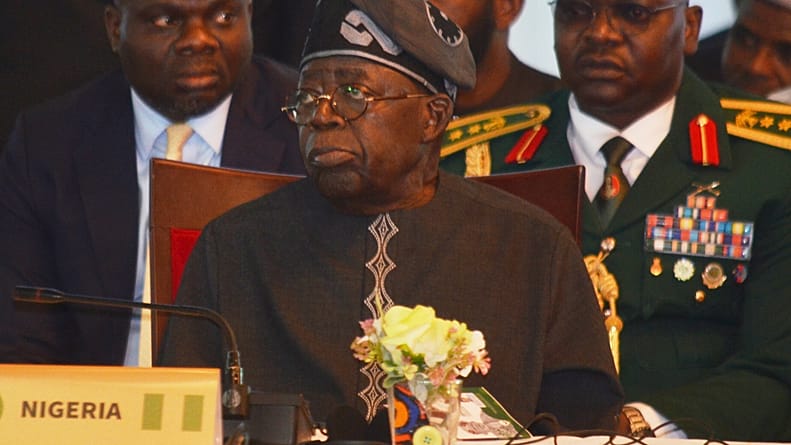
ABUJA, Nigeria — President Bola Ahmed Tinubu has confirmed that Nigeria will begin enforcing new tax laws on January 1, 2026, despite mounting criticism from opposition lawmakers who argue the legislation contains provisions never approved by parliament.
Tinubu’s Economic Agenda for Nigeria
Since taking office, Tinubu has pursued bold economic reforms:
- Fuel subsidies removed, sparking higher transport and energy costs.
- The naira devalued twice, reshaping currency markets.
- Now, tax reform is positioned as the centerpiece of his fiscal agenda, described by Tinubu as a “once‑in‑a‑generation reset.”
Opposition Concerns
Lawmakers claim the revised tax laws:
- Grant sweeping powers to tax authorities, including asset seizures without court orders.
- Require mandatory upfront payments before disputes can be heard.
- Risk constitutional breaches by bypassing parliamentary approval.
Tinubu’s Response
Tinubu has rejected these claims, insisting there is no substantial issue to justify delaying implementation. He urged businesses and citizens to support the reforms, saying the process is now firmly in the delivery phase. He also pledged to uphold due process and work with lawmakers to address concerns swiftly.
Broader Context
Nigeria’s economy has long struggled with:
- Heavy reliance on oil revenues.
- A narrow tax base, with limited compliance.
- Rising public debt and inflationary pressures.
Analysts say the reforms could boost government revenue but warn that aggressive enforcement may deepen public distrust if constitutional safeguards are not respected.