

The United States dollar to Nigerian naira exchange rate remained a major focus in Nigeria’s financial market on Tuesday, November 10, 2026, as individuals, businesses, importers and other foreign exchange users continued to monitor developments in the value of the local currency.
The dollar is currently trading at approximately ₦1,349.34 at the official market, while the parallel market, popularly known as the black market, is quoting around ₦1,425 per dollar.
The latest figures indicate a difference between the official and parallel-market exchange rates, reflecting the varying conditions under which foreign currencies are bought and sold in Nigeria.
According to available market reports, the official exchange rate is based on figures published through the Central Bank of Nigeria’s foreign exchange market, while parallel-market rates are determined by demand, supply and individual Bureau De Change (BDC) operators.
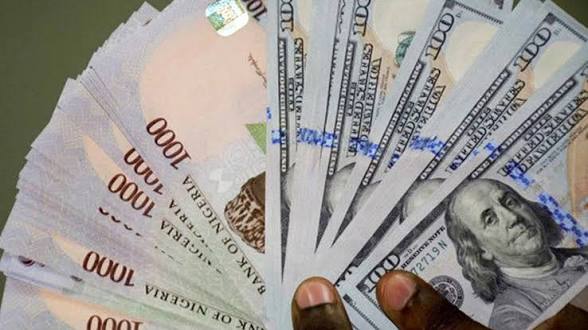
Official Dollar to Naira Exchange Rate Today
As of Tuesday, November 10, 2026, the official dollar-to-naira exchange rate stands at approximately ₦1,349.34 per dollar.
The official market rate is important for businesses and individuals conducting eligible foreign exchange transactions through authorised financial institutions.
Recent figures show that the naira has experienced some movements in the official market, with the exchange rate previously recorded at approximately ₦1,346.79 on November 6.
The difference in the figures reflects movements in the foreign exchange market and the timing of published rates.
Black Market Dollar to Naira Exchange Rate Today
In the parallel market, the dollar is exchanging at approximately ₦1,415 for buying and ₦1,425 for selling.
This means that individuals selling their dollars to BDC operators may receive around ₦1,415 for every dollar, while those purchasing dollars may pay approximately ₦1,425.
However, the actual amount may differ depending on the location, availability of foreign currency and individual dealer.
In some locations, including Lagos and Abuja, exchange rates may vary slightly from the figures reported by market trackers.
Dollar to Naira Exchange Rate Today, November 10, 2026
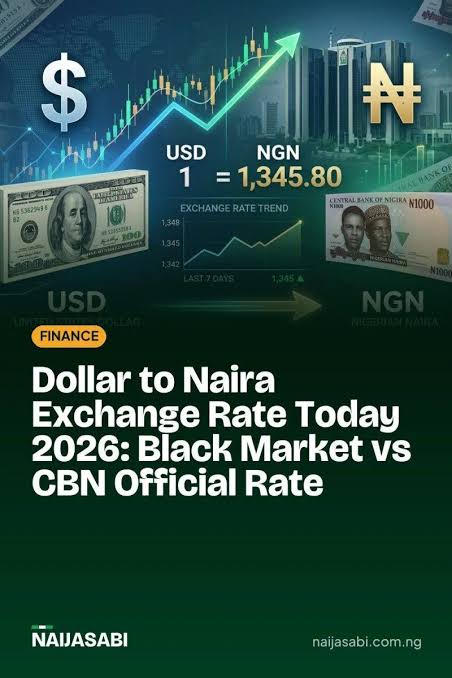
The following table shows the estimated exchange rates available for Tuesday, November 10, 2026.
| Currency | Official Market | Black Market Buying | Black Market Selling |
|---|---|---|---|
| $1 | ₦1,349.34 | ₦1,415 | ₦1,425 |
| $10 | ₦13,493.40 | ₦14,150 | ₦14,250 |
| $50 | ₦67,467 | ₦70,750 | ₦71,250 |
| $100 | ₦134,934 | ₦141,500 | ₦142,500 |
| $200 | ₦269,868 | ₦283,000 | ₦285,000 |
| $500 | ₦674,670 | ₦707,500 | ₦712,500 |
| $1,000 | ₦1,349,340 | ₦1,415,000 | ₦1,425,000 |
Note: Figures are estimates based on reported rates and may change during the trading day.
Why Is There a Difference Between the Official and Black Market Rates?
The difference between the official and parallel-market exchange rates is influenced by several factors, including foreign currency demand, dollar availability, market liquidity and the channels through which individuals and businesses access foreign exchange.
The official market operates under the regulatory framework of the Central Bank of Nigeria, which oversees the country’s foreign exchange system.
On the other hand, the parallel market operates through independent currency dealers whose rates are influenced by prevailing market conditions.
When demand for dollars increases faster than available supply, parallel-market rates may rise. Similarly, improved foreign currency availability can help reduce pressure on the exchange rate.
Factors Affecting the Dollar to Naira Exchange Rate
Several economic factors continue to influence the value of the naira against the United States dollar.
One major factor is foreign exchange supply. Nigeria’s ability to generate foreign currency through crude oil exports, non-oil exports and foreign investments plays an important role in determining the availability of dollars in the economy.
Another factor is demand for imported goods and services. Nigerian businesses require foreign currencies to pay for machinery, raw materials, electronics, vehicles and other products purchased from international markets.
Foreign investors’ confidence in the Nigerian economy also influences currency movements. Increased foreign investment can improve dollar supply, while uncertainty may encourage investors to delay transactions or move their funds elsewhere.
In addition, monetary policies introduced by the Central Bank of Nigeria can affect exchange-rate movements by influencing interest rates, liquidity and foreign exchange market operations.
Impact of the Dollar Exchange Rate on Nigerians
Changes in the dollar-to-naira exchange rate have significant implications for households and businesses across Nigeria.
Importers are particularly affected because they depend on foreign currencies to purchase goods from international suppliers. When the dollar becomes more expensive, the cost of importing products increases, potentially resulting in higher prices for consumers.
The exchange rate also affects Nigerians paying school fees abroad, travelling internationally, purchasing goods from foreign online stores and sending money to relatives outside the country.
Manufacturers may equally experience higher production costs when imported raw materials and equipment become more expensive.
For ordinary Nigerians, fluctuations in the exchange rate can contribute to changes in the prices of electronics, food products, household appliances and other imported commodities.
Outlook for the Naira
The direction of the naira in the coming days will depend on several factors, particularly foreign exchange liquidity, dollar demand, monetary policy decisions and developments in the global economy.
Improved foreign exchange supply and stronger investor confidence could support the naira, while increased demand for dollars and limited availability could create additional pressure.
Market participants will also continue to monitor the Central Bank of Nigeria’s interventions and policies aimed at improving transparency and stability in the foreign exchange market.
For now, Nigerians are advised to check prevailing rates with authorised financial institutions and licensed foreign exchange operators before carrying out transactions.
Conclusion
The dollar-to-naira exchange rate remains an important indicator of Nigeria’s economic conditions, affecting businesses, consumers and international transactions.
As of Tuesday, November 10, 2026, the dollar is valued at approximately ₦1,349.34 in the official market and ₦1,425 in the parallel market selling segment.
However, these figures are subject to changes, and individuals are encouraged to confirm the latest rates before making financial decisions.