

The Federal Government has warned 15 states to urgently strengthen their preparedness for a possible Ebola outbreak, urging relevant authorities to intensify surveillance, improve emergency response systems and increase public awareness to prevent the spread of the deadly viral disease.
The warning underscores the need for proactive measures by state governments and health agencies to protect residents and prevent potential health emergencies from overwhelming the country’s healthcare system.
The Federal Government, through the Federal Ministry of Health and Social Welfare and relevant public health agencies, is expected to work with state governments to strengthen disease surveillance, improve coordination and ensure that health facilities are adequately prepared to respond to suspected cases.
Ebola is a severe viral disease that can cause serious illness and death. It spreads through direct contact with the blood or other bodily fluids of an infected person who is experiencing symptoms, or with contaminated materials. Early detection, prompt isolation of suspected cases and effective infection prevention measures are essential to limiting transmission.
The government’s warning to the 15 states highlights concerns about the importance of closing gaps in emergency preparedness before an outbreak occurs. State authorities have been urged to review their existing response plans, identify weaknesses and ensure that health workers understand the procedures for detecting, reporting and managing suspected cases.
Surveillance and early detection
One of the major priorities in Ebola preparedness is strengthening disease surveillance, particularly at health facilities and other points where people seek medical attention.
Health workers are expected to remain alert to patients presenting symptoms that could indicate a serious infectious disease, especially where there is a relevant travel or exposure history. Suspected cases must be promptly reported to the appropriate public health authorities for assessment and further investigation.
Effective surveillance also requires collaboration among hospitals, primary healthcare centres, laboratories and emergency response agencies. Such coordination can help authorities identify possible cases early and take appropriate measures to prevent further transmission.
The Federal Government’s preparedness drive also highlights the importance of ensuring that diagnostic services and referral arrangements are available to support rapid investigation of suspected infections.
Emergency response and healthcare readiness
The 15 states have a critical role to play in ensuring that their healthcare systems can respond effectively if a suspected Ebola case is detected.
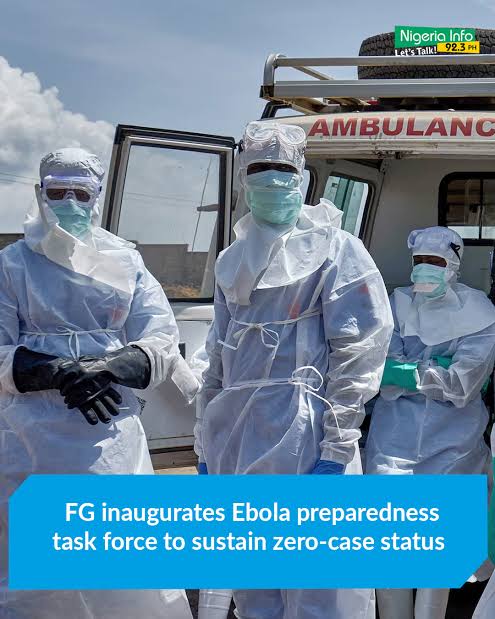
Preparedness measures include identifying suitable isolation facilities, ensuring access to appropriate protective equipment, training health workers and establishing clear procedures for transferring suspected patients to designated treatment centres.
Healthcare workers must also be equipped with the knowledge and resources required to prevent infections within hospitals. Without adequate infection prevention and control measures, health facilities could become sites of transmission during an outbreak.
State governments are therefore expected to work closely with public health agencies to assess available resources, address shortages and strengthen communication between local and national response teams.
In addition, emergency response plans should clearly define the responsibilities of health authorities, local governments and other relevant agencies to avoid delays when urgent action becomes necessary.
Public awareness and community engagement
Public education remains another important component of Ebola preparedness. Authorities need to provide residents with accurate information about how the disease spreads, its symptoms and the importance of seeking medical attention when an infection is suspected.
Symptoms may include fever, fatigue, muscle pain, headache, sore throat, vomiting, diarrhoea and, in some cases, unexplained bleeding. However, these symptoms can also occur in other illnesses, making professional medical assessment essential.
Members of the public are advised to avoid direct contact with the bodily fluids of suspected or confirmed cases and to follow guidance issued by qualified health professionals.
Health authorities must also address misinformation and discourage practices that could expose people to infection. Community leaders, traditional institutions and local organisations can help communicate accurate information and encourage residents to cooperate with public health measures.
Importance of coordination among states
The involvement of 15 states reflects the need for coordinated preparedness rather than isolated responses. Infectious diseases can cross state and international borders, making information sharing and cooperation between public health authorities particularly important.
State governments need to maintain functional emergency operations arrangements, ensure that suspected cases can be reported without delay and establish reliable communication channels with national health agencies.
Preparedness also requires regular assessments and simulation exercises to determine whether response teams can identify and manage suspected cases effectively.
Public health experts have consistently emphasised that early preparation is more effective than waiting until an outbreak has been confirmed before mobilising emergency resources.
Protecting Nigeria against potential outbreaks
Nigeria has experience managing public health emergencies, including the 2014 Ebola outbreak, when coordinated surveillance, contact tracing and rapid response measures helped contain the disease.
That experience demonstrated the importance of prompt reporting, strong laboratory capacity, effective communication and cooperation between government agencies and communities.
However, maintaining readiness requires sustained investment in healthcare infrastructure, trained personnel, disease surveillance and emergency supplies.
The Federal Government’s warning therefore places renewed emphasis on the responsibility of state authorities to address preparedness gaps and ensure that their health systems can respond quickly to emerging threats.
As the country strengthens its public health defences, the effectiveness of the response will depend on how quickly the affected states implement the necessary measures and coordinate with national agencies.