

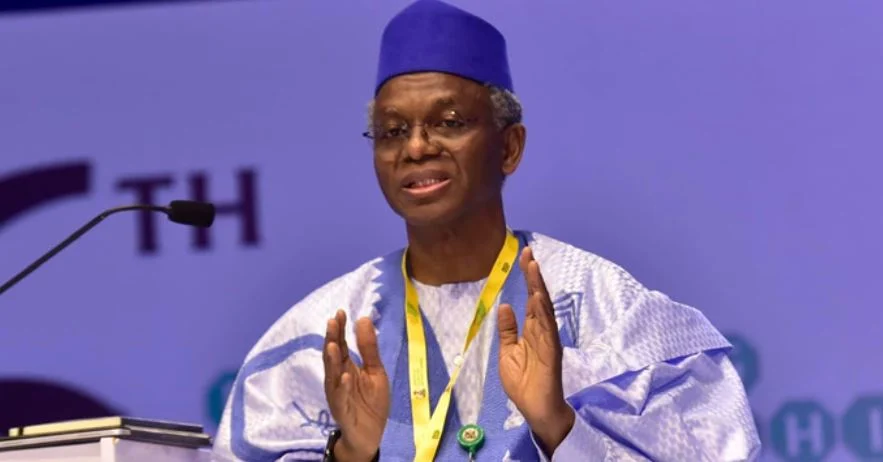
The family of former Kaduna State governor, Nasir El-Rufai, has distanced itself from a viral letter purportedly addressed to the leadership of the African Democratic Congress (ADC), describing the document as fake and misleading.
The controversial letter, which circulated widely on social media, allegedly conveyed political positions and endorsements attributed to members of the El-Rufai family, sparking speculation about possible realignments within Nigeria’s political landscape.
Family Denies Authorship
In a swift reaction, representatives of the El-Rufai family categorically denied any involvement in drafting or authorising the letter. They emphasised that neither the former governor nor any recognised member of his family issued such communication to the ADC or any other political group.
The family urged the public to disregard the document, warning that it was the handiwork of individuals seeking to misinform and create unnecessary political tension.
Concerns Over Misinformation
The incident highlights the growing challenge of misinformation in Nigeria’s political space, particularly on digital platforms where unverified content can spread rapidly.
Observers note that politically sensitive figures like Nasir El-Rufai are often targets of fabricated statements and documents aimed at influencing public perception or stirring controversy.
ADC Yet to Confirm Letter
As of the time of reporting, the African Democratic Congress has not issued an official statement confirming receipt of the alleged letter. Party insiders, however, have reportedly treated the document with caution, pending verification of its authenticity.
Political Implications
The circulation of the letter had initially fueled speculation about shifting alliances ahead of future political contests. Analysts say such developments, even when false, can influence public discourse and trigger reactions within party structures.
However, the firm denial by the El-Rufai family appears to have put the matter in perspective, reinforcing the need for verification before drawing conclusions.
Call for Responsible Information Sharing
The family also called on Nigerians, media organisations, and political stakeholders to exercise caution in sharing unverified information. They stressed the importance of relying on credible sources, particularly when dealing with sensitive political matters.
Looking Ahead
As Nigeria’s political environment continues to evolve, incidents like this underscore the importance of information integrity and responsible communication.
For now, the position of the El-Rufai family remains clear: the viral letter is fake, unauthorised, and should be ignored.