

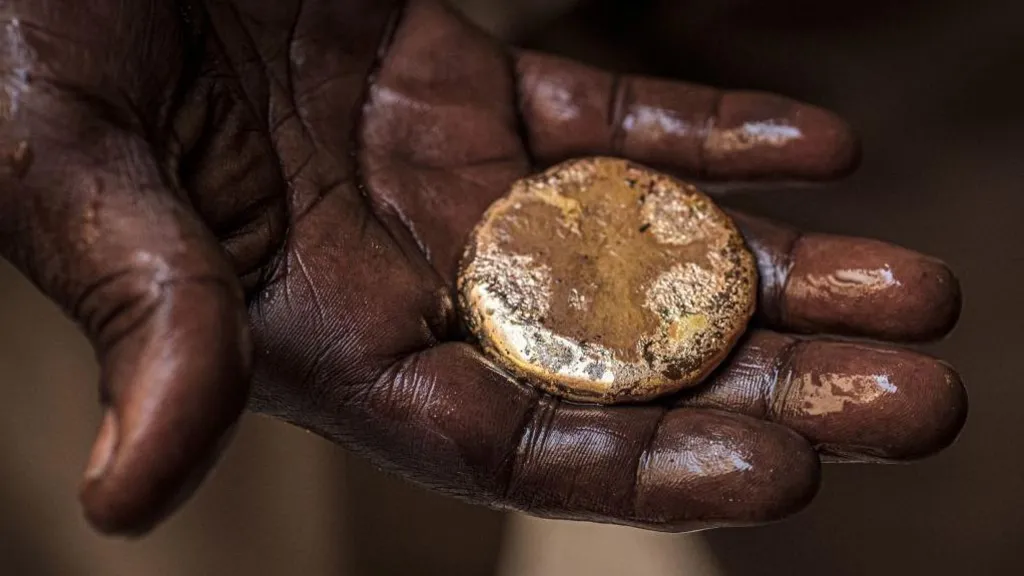
The European Union (EU) has imposed a ban on the purchase, import, and transfer of gold from Sudan, citing its role as a major source of funding for the country’s civil war.
Details of the Ban
- EU foreign ministers approved restrictions on gold trade and exports of mercury and cyanide, chemicals widely used in mining.
- The measures prohibit EU individuals and companies from buying, importing, or transporting Sudanese gold.
- Exceptions apply for mercury and cyanide used for humanitarian or public‑health purposes.
Gold and the Conflict
- Sudan is one of Africa’s largest producers, but over half of its gold is smuggled abroad each year, often routed through Egypt, Chad, and Libya before reaching Dubai.
- The Rapid Support Forces (RSF) control most goldfields in Darfur and Kordofan, while the Sudanese army oversees mines in the north and east.
- Rights groups say gold revenues have sustained both sides in the war.
Humanitarian Impact
- The conflict, which began in April 2023, has displaced more than 14 million people and left 28 million facing acute hunger.
- Aid agencies describe it as one of the world’s worst humanitarian crises.
International Pressure
- The EU Council said the sanctions aim to “reduce the resources available to those perpetuating the violence.”
- Analysts warn sanctions alone may not stop illicit trade unless major gold hubs and regional transit routes tighten enforcement.
- The measures expand an existing EU sanctions regime targeting individuals and entities accused of fueling the war.
Outlook
The ban marks the EU’s strongest move yet to choke off Sudan’s war economy. Whether it succeeds depends on global cooperation to block smuggling networks that have long sustained the conflict.