

Energy experts have called on the Federal Government to intensify investment in renewable energy as part of efforts to address Nigeria’s persistent electricity crisis and improve access to reliable power supply across the country.
The experts stressed that greater adoption of renewable energy sources, including solar, wind and hydropower, could provide a lasting solution to the country’s electricity challenges while reducing dependence on conventional energy sources.
They noted that Nigeria continues to struggle with inadequate electricity generation, poor transmission infrastructure and frequent distribution challenges, leaving millions of households and businesses without reliable power.
According to energy stakeholders, expanding renewable energy projects would help bridge the electricity supply gap, particularly in rural communities and areas with limited access to the national grid.
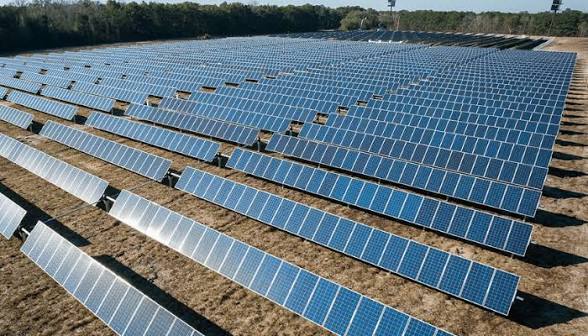
They also argued that solar energy presents significant opportunities for Nigeria because of the country’s favourable weather conditions and abundant sunlight throughout the year.
The experts explained that households, small businesses, schools, hospitals and industries could benefit from adopting solar-powered systems, which would reduce their dependence on expensive petrol and diesel generators.
They further highlighted the economic benefits of investing in renewable energy, including job creation, increased private-sector participation and improved opportunities for local manufacturing and technology development.
They therefore urged the government to introduce stronger incentives, provide accessible financing options and create a more favourable environment for private investors to participate in renewable energy development.
The experts also called for improved electricity infrastructure and stronger collaboration between federal and state governments to ensure that renewable energy projects are effectively implemented.
They maintained that Nigeria must embrace a more diversified energy system capable of combining conventional electricity sources with renewable alternatives to achieve long-term energy security.
Nigeria’s electricity crisis has continued to affect economic activities, with businesses spending substantial amounts on alternative power sources to remain operational.
For many small and medium-sized enterprises, unreliable electricity supply has increased production costs, reduced productivity and affected their ability to compete effectively.
The experts said accelerating the transition to renewable energy would not only improve electricity access but also support economic growth, environmental sustainability and the country’s broader development objectives.

They urged the government and relevant stakeholders to move beyond policy discussions and prioritise practical investments that would make clean and affordable energy accessible to more Nigerians.