

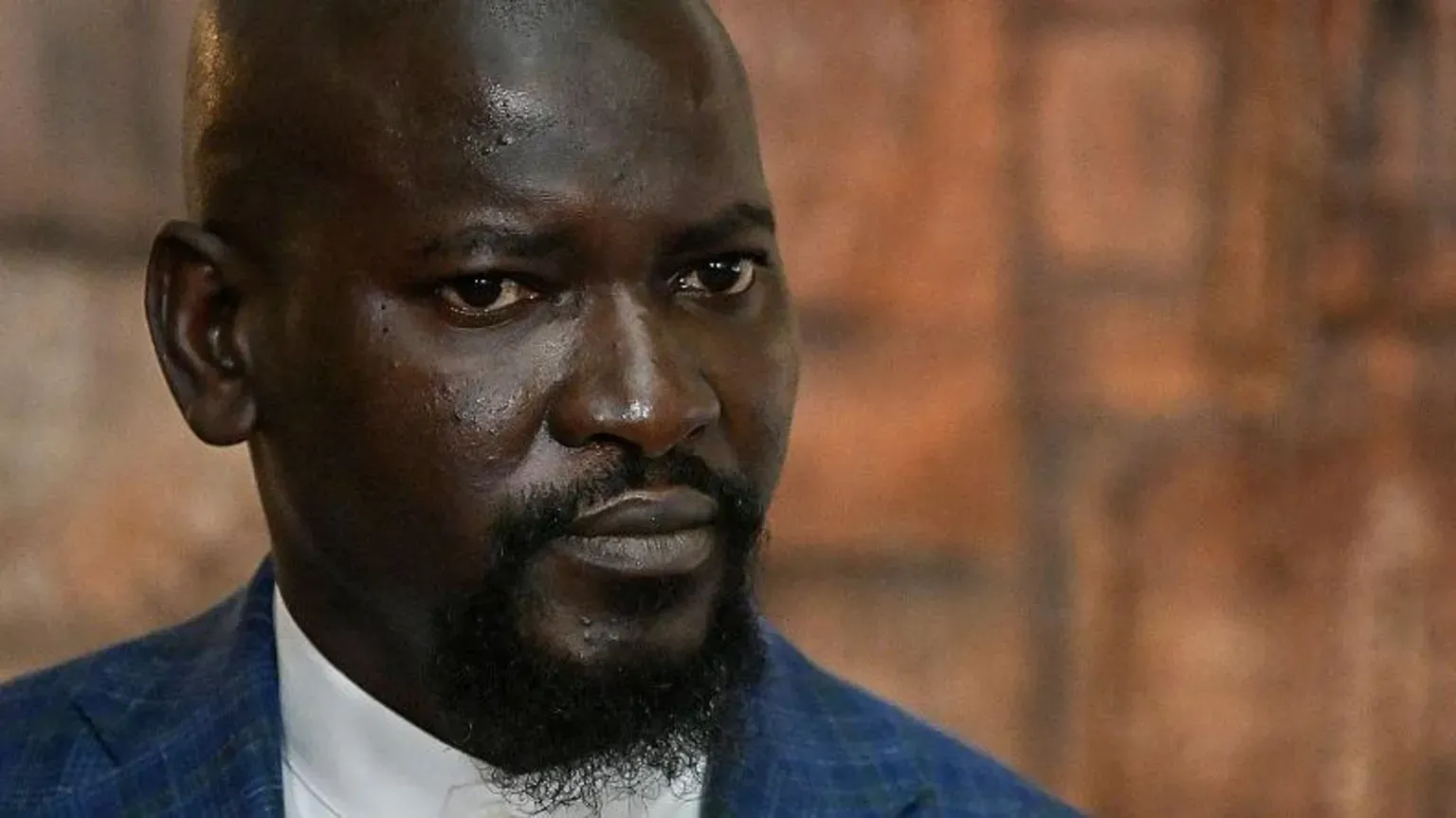
Guinea’s political future took a dramatic turn this week as General Mamady Doumbouya, the military leader who staged a coup in 2021, officially entered the presidential race. His candidacy, submitted at the Supreme Court while flanked by soldiers, marks a reversal of his earlier pledge to restore civilian rule.
A Promise Broken
Upon taking power, Doumbouya vowed that neither he nor any member of the transitional government would seek office. “As soldiers, we value our word very much,” he said then. Now, under a newly adopted constitution that permits his run, that promise has been cast aside.
Opposition Shut Out
Two major opposition parties—RPG Arc en Ciel and UFDG—have been barred from participating in the December election, raising serious concerns about its legitimacy. The steep candidate deposit of 875 million Guinean francs ($100,000) has also drawn criticism for discouraging broader participation.
Crackdown on Dissent
Under Doumbouya’s rule, Guinea has seen a clampdown on civil liberties, including media suspensions, internet restrictions, and violent suppression of protests. Ironically, these are the same abuses he cited when ousting former President Alpha Condé.
From Soldier to Statesman
Before the coup, Doumbouya was a mid-ranking officer with a 15-year military career spanning missions in Afghanistan, Ivory Coast, Djibouti, and more. At 40, he remains one of Africa’s youngest heads of state.
A Race Without Rivals
The upcoming election will be held without several key political figures, including ex-President Condé and former Prime Ministers Cellou Dalein Diallo and Sidya Touré, all currently in exile. Their absence further clouds the credibility of Guinea’s democratic process.
As the nation heads toward a pivotal vote, Doumbouya’s candidacy raises a fundamental question: can a transition born of military force truly deliver democratic renewal?
Source: BBC News, November 4, 2025