

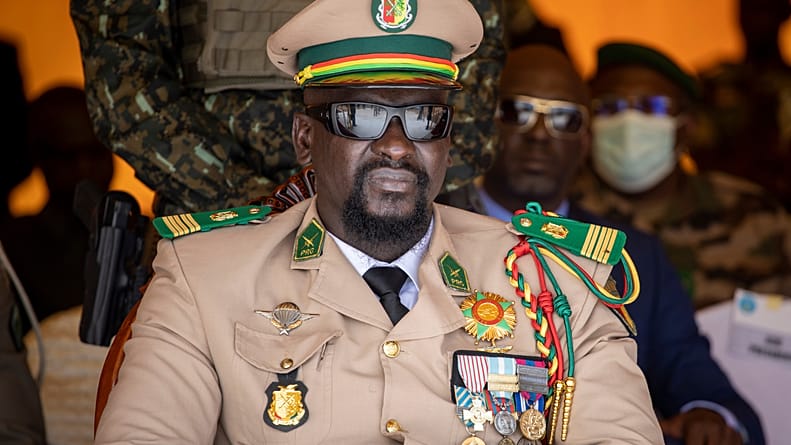
CONAKRY, Guinea — Guinea went to the polls on December 28, 2025, in its first presidential election since the 2021 coup that ousted longtime leader Alpha Condé. The vote is being conducted under a new constitution, approved in September, which allows military leaders to run for office and extends presidential terms from five to seven years.
Doumbouya’s Dominance
Junta leader General Mamadi Doumbouya, who seized power four years ago, is widely expected to win. His campaign has focused on infrastructure projects and reforms, including the long‑delayed Simandou iron ore project, now producing at the world’s largest deposit. The project, 75% Chinese‑owned, is tied to a national development plan promising tens of thousands of jobs and diversification into agriculture, education, transport, technology, and health.
Doumbouya’s closest challenger, Yero Baldé of the Democratic Front of Guinea, is running on an anti‑corruption and economic growth platform. However, the opposition has been severely weakened: two candidates were barred from running, while two others were forced into exile.
Public Sentiment
Despite Guinea’s vast mineral wealth — it is the world’s largest exporter of bauxite, used in aluminum production — more than half of its 15 million citizens face poverty and food insecurity, according to the World Food Program.
For many, the election represents hope. “This vote is the hope of young people, especially for us unemployed,” said Idrissa Camara, a 23‑year‑old in Conakry who has struggled to find work since graduating.
Security and Democracy Concerns
The election comes amid a wave of coups across Africa, with at least 10 countries experiencing military takeovers in recent years. Analysts say Doumbouya’s victory is likely, given the sidelining of opposition parties and the government’s control over the electoral body.
Rights groups warn that civil society has been silenced since the coup, with critics abducted, the press censored, and more than 50 political parties dissolved last year.
Security was tight across Conakry, with 12,000 police officers deployed and checkpoints set up. Authorities reported neutralising an armed group with “subversive intentions” after gunfire in the Sonfonia neighborhood on the eve of the vote.
What’s Next
More than six million registered voters are expected to cast ballots, with provisional results due within 48 hours. A runoff will be held if no candidate secures a majority.
Political analyst Aboubacar Sidiki Diakité described the election as a turning point: “This election will open a new page in Guinea’s history and mark the country’s return to the league of nations.”