

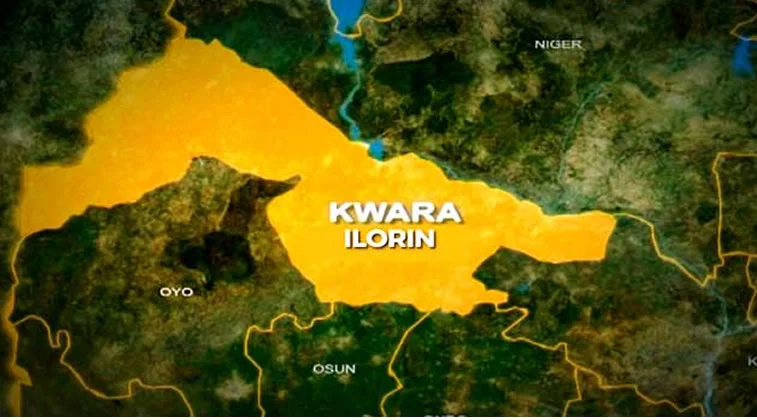
Legal officers in Kwara State have threatened to embark on an industrial action over the non-payment of their outstanding entitlements, raising concerns about a potential disruption to the state’s justice system.
The officers, operating under the Kwara State Law Officers Association, decried what they described as persistent neglect by the state government despite several appeals and negotiations. They said multiple allowances and benefits, including wardrobe allowances, training grants, and other statutory entitlements, have remained unpaid for an extended period.
In a statement issued to the media, the association expressed disappointment that its members—who play critical roles in prosecuting criminal cases, providing legal advisory services, and representing the state in court—have continued to work under difficult conditions without receiving their full remuneration.
According to the group, the situation has led to growing frustration and low morale among legal officers, many of whom struggle to meet professional obligations due to financial constraints. They warned that continued inaction by the government could force them to withdraw their services.
“The patience of our members is wearing thin. We have made several efforts to resolve these issues through dialogue, but there has been little or no progress,” the statement read. “If urgent steps are not taken to address our demands, we will be left with no choice but to commence a strike.”
The association noted that any strike action would have far-reaching implications for the administration of justice in Kwara State, potentially stalling court proceedings, delaying prosecutions, and affecting access to justice for residents.
They called on the Kwara State Government, particularly Governor AbdulRahman AbdulRazaq, to urgently intervene and ensure that all outstanding entitlements are settled. The officers stressed that improving their welfare is essential for maintaining efficiency, professionalism, and integrity within the state’s legal system.
As of the time of filing this report, there was no official response from the state government. However, stakeholders have urged both parties to engage in constructive dialogue to avert a crisis that could further strain the already burdened justice sector.
The development adds to growing concerns over the welfare of public servants in Nigeria, especially in critical sectors where delays in remuneration often translate into reduced productivity and service delivery challenges.