

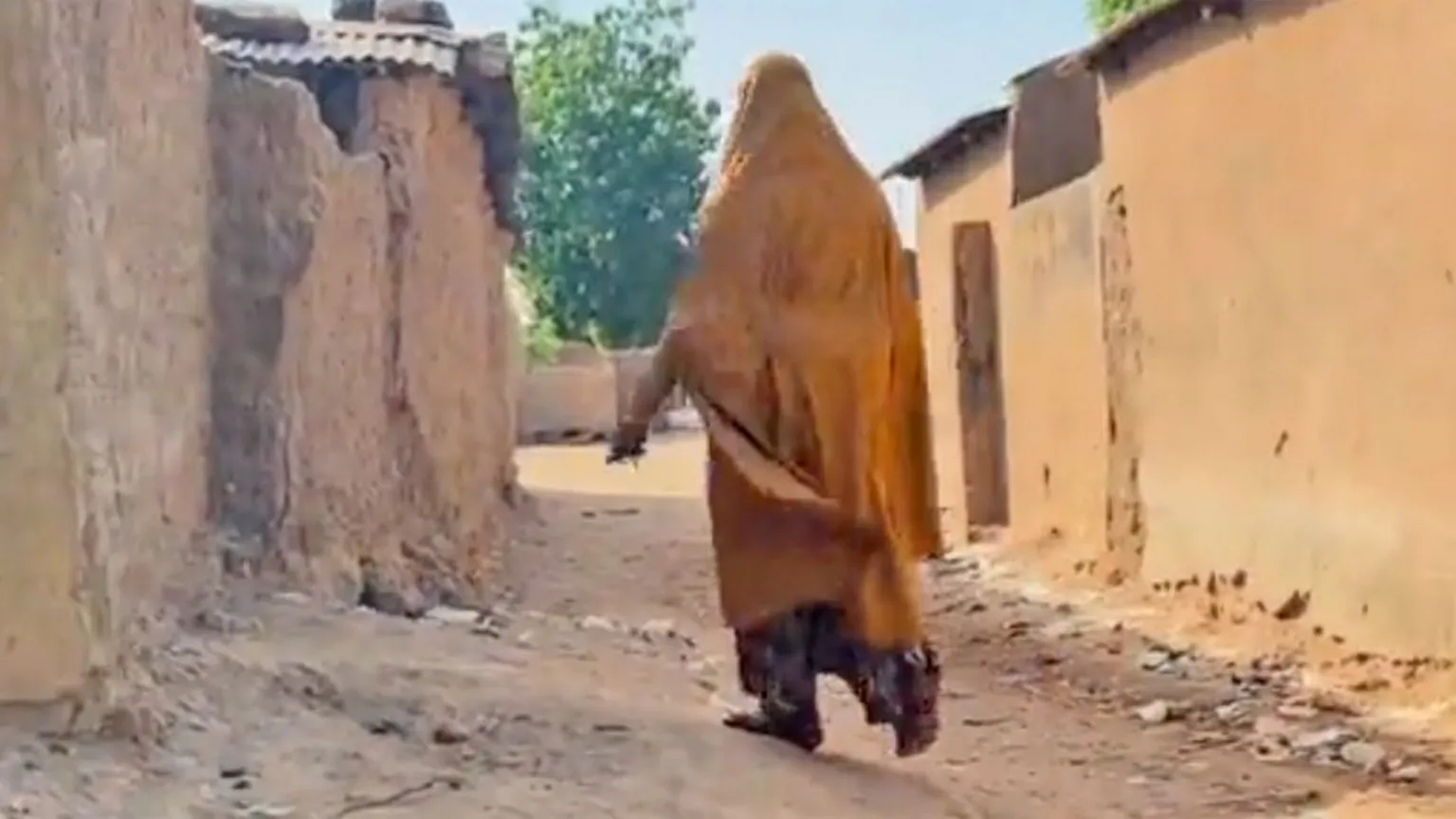
SOKOTO STATE, Nigeria — Residents of remote villages in north‑western Nigeria remain gripped by fear after US air strikes on Christmas Day targeted camps belonging to the militant group Lakurawa. The heavily armed fighters, known for their camouflage uniforms and vibrant turbans, have entrenched themselves in Tangaza, near the Niger border, for several years.
Who Are Lakurawa?
- Believed to hail from Niger and Mali, the group has imposed itself as a de facto authority in Sokoto and Kebbi states.
- Both US and Nigerian officials say Lakurawa are affiliated with Islamic State (IS) networks in the Sahel, though IS has not formally acknowledged ties.
- Fighters communicate in Fulfude among themselves and use Hausa with locals, reinforcing their Sahelian roots.
Life Under Militant Control
Villagers in Nukuru, a hamlet of mud‑walled houses and clay granaries, describe paying “taxes” to militants for years. Those who resist face attacks and livestock theft.
- Fighters arrive daily on motorbikes, often three to a vehicle, moving swiftly across rugged terrain.
- They enforce strict rules, banning music and punishing offenders under hard‑line interpretations of Sharia law.
- Some militants have married into border communities, recruiting young people as informants or supply gatherers.
Impact of US Strikes
Residents reported violent tremors as missiles struck camps about 10km away. “The doors and roof were shaking… we couldn’t sleep because everywhere was shaking,” said one elder. While casualties remain unclear, locals saw militants fleeing on motorcycles, carrying luggage but no bodies. Despite the strikes, villagers fear Lakurawa will regroup, given their mobility and lack of government presence in the region.
Broader Security Context
Nigeria has battled Islamist insurgencies for over 15 years, most notably Boko Haram in the northeast. More recently, bandit gangs have terrorised the northwest with kidnappings for ransom. Lakurawa’s arrival displaced some bandits but quickly replaced one form of insecurity with another.
The Nigerian government designated Lakurawa a terrorist organisation in early 2025, citing cattle rustling, hostage‑taking, and attacks on officials. US President Donald Trump justified the Christmas strikes by accusing the group of “viciously killing innocent Christians.” Nigerian officials, however, stressed the operation was a joint mission and not religiously motivated, noting most victims in Sokoto are Muslims.
Outlook
For villagers in Tangaza, the hope is that sustained military pressure will finally dismantle Lakurawa’s grip. Until then, daily life remains defined by fear, coercion, and survival under militant rule.