

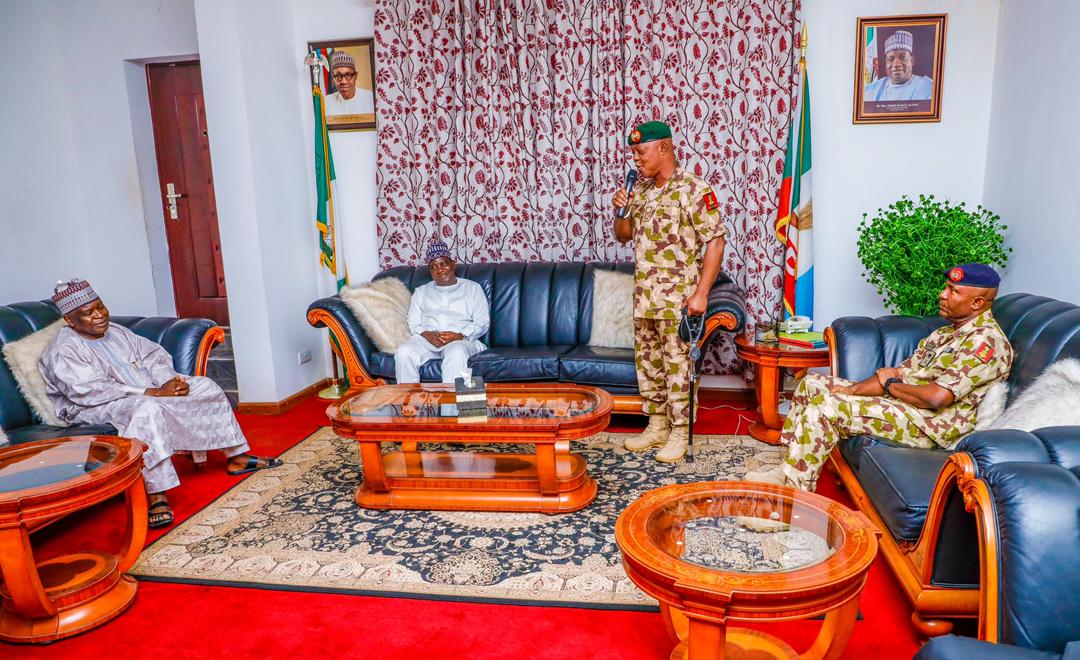
The Governor of Plateau State has issued a heartfelt apology to the Igbo community for the role played by the state and its people during the Nigerian Civil War, acknowledging the pain, loss, and lingering impact of that period on national unity.
In a statement that has drawn widespread attention, the governor reflected on the historical events of the 1967–1970 civil war, describing it as a tragic chapter in Nigeria’s history that left deep scars across ethnic and regional lines. He admitted that certain actions and positions taken during that time contributed to the suffering of the Igbo people, and stressed the need for reconciliation, healing, and mutual understanding.
According to him, the apology is not merely symbolic but represents a sincere effort to confront the past and foster a more united future. He emphasized that while the events occurred decades ago, their effects are still felt today, making it necessary for leaders to take responsibility where appropriate and promote national cohesion.
The governor noted that Plateau State, like many others, was caught in the complexities of the war, but acknowledged that this does not diminish the need for empathy and accountability. He expressed regret over the hardships endured by Igbo families, including displacement, loss of lives, and destruction of property.
He also called on Nigerians across all regions to use the moment as an opportunity to reflect on the importance of unity, tolerance, and peaceful coexistence. According to him, building a stronger nation requires acknowledging past wrongs and committing to a future based on justice and inclusiveness.
Leaders and stakeholders from the Igbo community have reacted with a mix of appreciation and cautious optimism, describing the apology as a significant step toward reconciliation. Some noted that while it cannot undo the past, it opens the door for meaningful dialogue and renewed relationships among Nigeria’s diverse ethnic groups.
Historians and political analysts have also weighed in, pointing out that such gestures, though rare, are crucial in addressing historical grievances that continue to shape national discourse. They argue that open acknowledgment of past injustices can help bridge divides and strengthen the fabric of the country.
The governor further reiterated his administration’s commitment to fostering inclusivity within Plateau State, assuring all ethnic groups residing in the state of equal rights, protection, and opportunities. He encouraged other leaders to embrace similar approaches in addressing historical tensions across the country.
As Nigeria continues to navigate its complex history, the governor’s apology has reignited conversations about accountability, reconciliation, and the importance of confronting the past in order to build a more united and peaceful nation.