
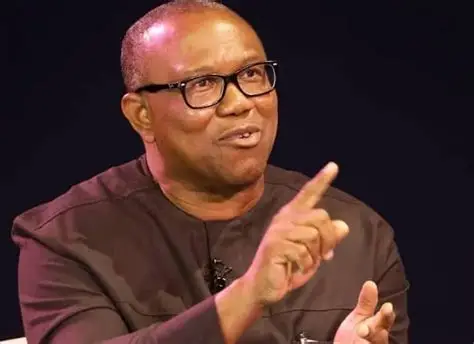


Obi Blasts Govt Over Trillion-Naira Power Sector Debts: “A Cycle of Debt and Darkness”
Former Labour Party presidential candidate, Peter Obi, has slammed the federal government’s repeated approvals of trillions of naira to settle power sector debts, questioning the transparency and impact of these interventions. In a scathing, Obi said the latest approval of ₦3.3 trillion as a “full and final” payment for power sector liabilities raises serious questions, given similar approvals in the past without clear results [1].
“Let us reflect, sincerely and without sentiment,” Obi said, pointing out that on May 17, 2024, ₦3.3 trillion was approved for the same purpose, and on July 25, 2024, another ₦4 trillion bond was approved to settle similar debts. “This raises a fundamental question: were the previous approvals mere announcements without execution?” he asked.
Obi expressed concern over the state of electricity supply, recalling President Bola Tinubu’s 2023 campaign promise of delivering stable electricity. “Today, the reality is that power supply has worsened,” he said, noting reports of potential disconnection of the Presidential Villa from the national grid.
The former presidential candidate criticised the pattern of policy announcements without measurable outcomes, linking the mounting debts to previous administrations. “These debts were largely accumulated under successive administrations of the All Progressives Congress between 2015 and 2025. This raises serious concerns about accountability, transparency, and effectiveness in public financial management,” he stated.
Obi questioned why government institutions, including the Presidential Villa, have not settled their electricity obligations despite budgetary provisions. He raised several unanswered questions regarding the power sector debt, including how it accrued, the actual total debt, and who benefits from repeated payments.
Obi called for a shift from announcements to meaningful reforms, warning that failure to act would prolong Nigeria’s challenges. “Nigeria must move beyond recycled announcements and confront the power sector crisis with sincerity, transparency, and decisive reforms,” he said, expressing optimism that improvement remains possible with discipline and accountability.