

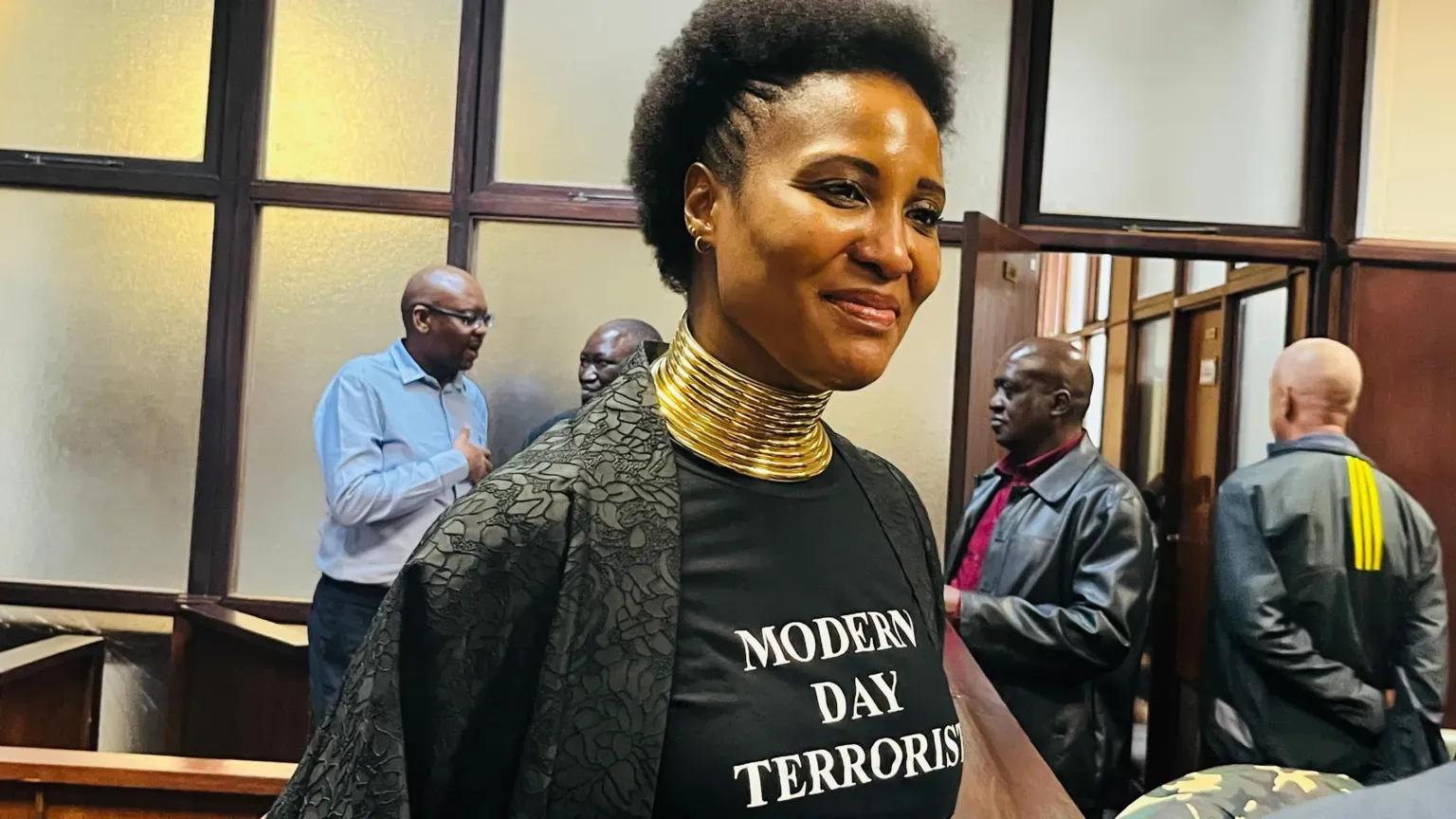
South Africa is bracing for a historic and controversial trial as Duduzile Zuma-Sambudla, daughter of former President Jacob Zuma, faces terrorism-related charges stemming from her social media activity during the deadly 2021 unrest. The case marks the first time in the country’s legal history that someone is being prosecuted for incitement to terrorism via social media.
Zuma-Sambudla, now a member of parliament for the uMkhonto weSizwe (MK) party, is accused of inciting violence through tweets and posts during the July 2021 riots that erupted after her father was jailed for contempt of court. The protests spiraled into chaos, leaving over 300 people dead and causing an estimated $2.8 billion in damage across KwaZulu-Natal and Gauteng provinces.
Prosecutors allege that Zuma-Sambudla’s posts—including videos of burning vehicles and calls to “shut down” key infrastructure—encouraged her 100,000 followers to escalate the violence. She denies the charges, calling the case politically motivated. At a recent hearing, she wore a shirt emblazoned with the phrase “Modern Day Terrorist” in a pointed jab at the prosecution.
The trial is unfolding amid a broader political drama. Her father, Jacob Zuma, now leads the MK party after breaking away from the ruling African National Congress (ANC). Duduzile has become one of his most visible supporters, often appearing alongside him at rallies and court appearances.
Legal experts say the case presents a “high evidentiary bar” for prosecutors, who must prove that her posts directly incited terrorism. The National Prosecuting Authority (NPA) has enlisted external social media experts to bolster its case, which has drawn criticism for its timing and selectivity.
Political analysts argue that if Zuma-Sambudla weren’t the daughter of a former president, the charges might never have materialized. MK party leaders have dismissed the case as a “political ploy,” while supporters rally around her, framing her as a victim of persecution.
As the trial begins, it promises to reignite debates about freedom of expression, political accountability, and the lingering scars of South Africa’s most violent post-apartheid episode. Whether the prosecution succeeds or not, the case is already reshaping the country’s political landscape—and adding a new chapter to the enduring Zuma saga.