

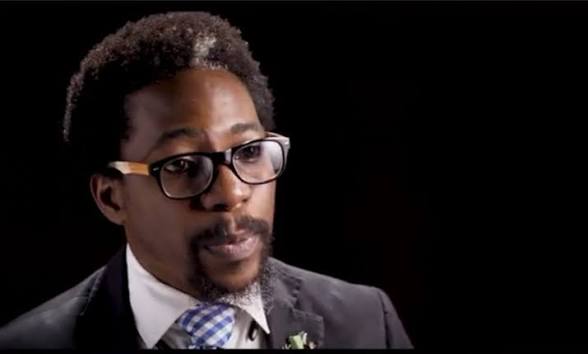
Human rights activist and social commentator, Segun Awosanya, popularly known as Segalink, has said that public noise, mob pressure and online agitation cannot determine who becomes Nigeria’s leader.
Segalink made the remark in a video, where he stressed that leadership should not be determined by public sentiment, intimidation or the activities of groups seeking to impose their preferred candidates on the country.
According to him, the process of choosing Nigeria’s leaders must be guided by established democratic principles, constitutional provisions and the collective will of the people rather than pressure from vocal individuals or groups.
He warned against allowing mob mentality and political noise to influence important national decisions, noting that the loudest voices do not necessarily represent the interests or opinions of the majority.
The activist’s comments come amid increasing political activities and public debates ahead of the 2027 general elections, with different political groups and supporters already expressing their preferences for the country’s next leadership.
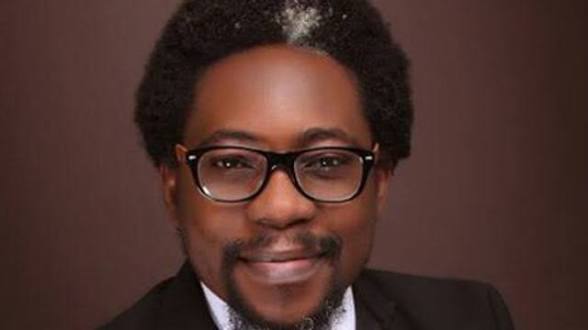
Nigeria’s political atmosphere has witnessed growing arguments across social media platforms, where supporters of various political parties and presidential aspirants frequently engage in heated exchanges over the country’s future.
Segalink’s position highlights the importance of democratic institutions and the rule of law in determining political leadership. He suggested that political authority should emerge through legitimate processes rather than pressure or attempts by organised groups to dictate the direction of the country.
He also emphasised the need for Nigerians to distinguish between genuine democratic participation and activities driven by emotions, intimidation or political interests.
His remarks have added to ongoing conversations about political accountability, citizens’ participation and the role of public opinion in shaping Nigeria’s democracy.
As political activities gradually intensify ahead of the 2027 elections, the question of leadership, national unity and the credibility of democratic institutions is expected to remain central to public discussions.
Segalink’s comments serve as a reminder that political leadership in a democratic society should be determined through constitutional and electoral processes, not simply by the strength of public noise or the influence of a mob.