

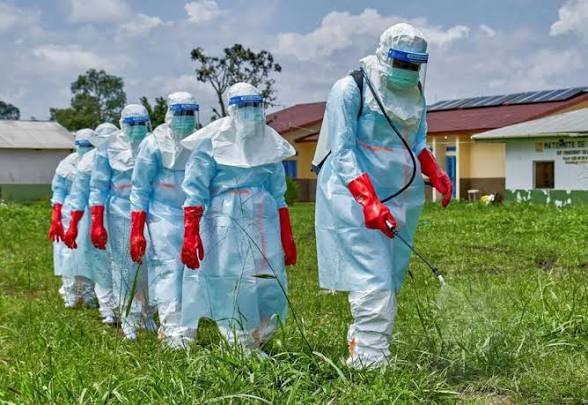
As concerns about infectious diseases continue to highlight the importance of public health preparedness, Nigerians have been urged to maintain good hygiene, avoid contact with suspected cases and seek prompt medical attention if they develop symptoms associated with Ebola virus disease.
Ebola is a severe and potentially fatal illness caused by viruses in the genus Orthoebolavirus. The disease can cause serious illness and death, particularly when patients do not receive timely medical care. However, early detection, appropriate treatment and effective infection prevention measures can help reduce transmission and improve survival.
Although Ebola outbreaks have occurred mainly in parts of sub-Saharan Africa, public health authorities emphasise the importance of remaining informed and prepared. Nigerians can reduce their risk by understanding how the virus spreads, recognising possible symptoms and following guidance issued by relevant health authorities.
How Ebola spreads
According to public health guidance, Ebola spreads primarily through direct contact with the blood or other bodily fluids of an infected person who is showing symptoms, or with contaminated objects such as clothing, bedding, needles and medical equipment.
Transmission can also occur through contact with the body of a person who has died from the disease, making safe burial practices essential during an outbreak.
Certain species of fruit bats are considered natural hosts of Ebola viruses. Humans may become infected through contact with infected wildlife, including handling or preparing infected animals for consumption. Once the virus enters the human population, it can spread from person to person through direct contact with infectious bodily fluids.
People do not ordinarily become infected simply by being in the same room as someone with Ebola without the relevant exposure. Ebola is not generally transmitted through the air in the manner associated with measles or some other respiratory infections.
A person infected with Ebola is not considered contagious before symptoms begin. However, once symptoms develop, the risk of transmission becomes a serious concern, particularly when proper infection prevention measures are not followed.
Symptoms Nigerians should watch for
Ebola symptoms can appear between two and 21 days after exposure, although they commonly develop within eight to 10 days.
The illness often begins suddenly and may resemble other infections, including malaria, typhoid fever and other causes of fever common in Nigeria. This makes medical assessment important, especially when a person has a relevant travel or exposure history.
Common symptoms include:
- Fever and severe weakness.
- Headache and muscle pain.
- Sore throat.
- Vomiting and diarrhoea.
- Abdominal pain.
- Unexplained bruising or bleeding in some cases.
- Reduced appetite and other signs of serious illness.
Not everyone with Ebola experiences bleeding. Therefore, the absence of bleeding should not be used to rule out the disease.
Anyone who develops compatible symptoms after possible exposure to Ebola should seek urgent medical guidance and disclose their exposure history. They should contact a healthcare professional or relevant public health authority before arriving at a healthcare facility, where possible, so appropriate precautions can be arranged.
People should not attempt to diagnose Ebola themselves or delay seeking care while waiting for symptoms to become severe.
Seven ways Nigerians can prevent Ebola infection
1. Practise regular hand hygiene
Washing hands properly with soap and running water is an important measure for reducing the spread of many infectious diseases. Alcohol-based hand sanitisers can be used when hands are not visibly dirty and soap and water are unavailable.
Nigerians should wash their hands after using the toilet, before preparing or eating food, after caring for someone who is ill and after contact with potentially contaminated materials.
During an Ebola outbreak, hand hygiene should form part of a wider infection prevention plan rather than being treated as the only protective measure.
2. Avoid direct contact with suspected or confirmed cases
People should avoid touching the blood, vomit, diarrhoea, saliva and other bodily fluids of anyone suspected or confirmed to have Ebola.
Family members caring for an ill person should follow instructions from trained healthcare workers and public health officials. They should not attempt to provide close-contact care without appropriate protective equipment and guidance.
Anyone who has had direct exposure to a suspected or confirmed case should promptly contact public health authorities for an assessment of their risk and advice on monitoring.
3. Avoid handling bodies without proper precautions
The bodies of people who have died from Ebola can remain highly infectious. Traditional funeral practices involving washing, touching or kissing the body can therefore create a risk of transmission during an outbreak.
Families should cooperate with trained burial teams and public health officials to ensure that burials are conducted safely and respectfully.
Community and religious leaders can help communicate these precautions in culturally sensitive ways while protecting families and the wider public.
4. Handle bushmeat and wildlife safely
Contact with infected wildlife can expose people to Ebola viruses. Nigerians should avoid handling animals found dead unexpectedly and should not touch bats, non-human primates or other wildlife suspected of being ill.
During an outbreak, people should follow official public health advice concerning hunting, handling, transporting and consuming wildlife.
Proper food hygiene is important, but ordinary cooking practices should not be considered a substitute for avoiding potentially infected animals or following specific outbreak-related restrictions.
5. Seek medical attention early
Early medical assessment is important for anyone who develops symptoms after a possible exposure. Ebola can initially resemble several other illnesses, so trained healthcare professionals must assess the person’s symptoms and exposure history and arrange testing where appropriate.
People should avoid self-medication or visiting multiple facilities without informing healthcare workers about a possible exposure.
Prompt reporting also allows public health teams to assess contacts, arrange monitoring and take steps to prevent further transmission.
6. Follow official travel and public health advice
Nigerians travelling to areas experiencing an Ebola outbreak should check current travel advisories and health guidance issued by recognised public health authorities.
Travellers should avoid unnecessary contact with sick people, their bodily fluids and potentially infected wildlife. Anyone who has been exposed to a suspected case should report the exposure to the appropriate health authorities, including after returning to Nigeria.
Travellers should not assume that every person arriving from an affected area is infected. Public health measures should be based on current risk assessments and official guidance rather than rumours or discrimination.
7. Avoid spreading false information
Misinformation can undermine public health efforts by encouraging panic, delaying medical care or promoting ineffective prevention methods.
Nigerians should rely on verified information from the Nigeria Centre for Disease Control and Prevention (NCDC), the World Health Organization (WHO), state health authorities and qualified healthcare professionals.
Unverified messages shared through WhatsApp, Facebook and other social media platforms should not be treated as medical advice. People should also avoid claiming that a particular community or traveller is infected without credible confirmation.
What should you do after possible exposure?
Anyone who believes they may have been exposed to Ebola should contact the relevant public health authority or healthcare service promptly. They should explain the nature and date of the exposure and follow instructions on monitoring, testing and any necessary restrictions.
If symptoms develop, the person should seek urgent medical assessment and alert healthcare workers to the possible exposure before arriving, where feasible.
Public health teams may identify and monitor people who have been in contact with a confirmed case. Depending on the exposure and current guidance, monitoring may continue for 21 days after the last possible exposure.
People under monitoring should follow the instructions given by health officials and report symptoms immediately.
Is there a vaccine or treatment for Ebola?
Vaccines are available for certain Ebola virus species, including the Zaire ebolavirus, and have played an important role in controlling outbreaks caused by that virus. However, vaccine protection is not available in the same way for every Ebola virus species, and the appropriate response depends on the virus responsible for an outbreak.
Specific antibody treatments are also available for Zaire ebolavirus disease. In addition, patients benefit from supportive medical care, including fluids, treatment of complications and careful monitoring.
Treatment options depend on the virus involved, the patient’s condition and the available medical services. Anyone who suspects infection should therefore seek professional care rather than relying on home remedies or unverified medicines.
Vaccination, where indicated, should be organised through recognised public health programmes and not through unverified providers.
The role of Nigeria’s health authorities
Preventing an Ebola outbreak requires cooperation between the government, healthcare workers, communities and the general public.
The NCDC and other relevant agencies play important roles in disease surveillance, laboratory testing, risk communication, contact tracing and coordinating responses to suspected cases. State ministries of health and healthcare facilities also help identify possible infections and implement appropriate infection prevention measures.
Healthcare workers need adequate training, protective equipment and clear procedures for identifying and managing suspected cases. Hospitals and clinics should maintain appropriate infection prevention practices to reduce the risk of transmission to patients, staff and visitors.
Border health measures, travel-related risk assessments and cooperation with international public health organisations may also contribute to preparedness when an outbreak occurs elsewhere.
Members of the public can support these efforts by reporting suspected cases through official channels, cooperating with trained health workers and avoiding actions that could expose others to infection.
Conclusion
Ebola remains a serious public health threat, but informed communities and effective health systems can reduce the risk of transmission and help control outbreaks.
For Nigerians, the essential precautions include practising good hand hygiene, avoiding direct contact with the bodily fluids of suspected cases, handling wildlife safely, following safe burial guidance during outbreaks and seeking immediate medical advice after possible exposure.
Just as importantly, the public should rely on verified health information rather than rumours or unproven remedies.