

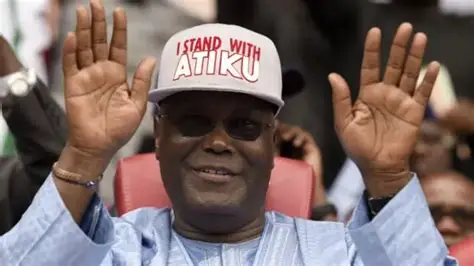
The Independent Media and Policy Initiative (IMPI) has warned that any plan by former Vice President Atiku Abubakar to restore fuel subsidies could undermine investor confidence and discourage foreign capital from flowing into Nigeria.
IMPI argued that a return to the subsidy regime would send the wrong signal to international investors at a time when the Federal Government is attempting to deepen economic reforms, strengthen public finances and attract fresh investment into critical sectors.
The policy group said investors require a predictable economic environment and clear policy direction before committing significant capital to a country.
According to the organisation, reversing the fuel subsidy reform could create uncertainty over the government’s fiscal policy and raise questions about Nigeria’s commitment to market-oriented reforms.
Subsidy debate remains contentious
The removal of petrol subsidy by President Bola Tinubu in May 2023 remains one of the most consequential economic policy decisions of the current administration.
The reform immediately triggered a sharp increase in petrol prices and contributed to higher transportation and living costs, placing significant pressure on households and businesses.
Supporters of subsidy removal have argued that the policy was financially unsustainable and consumed resources that could have been redirected towards infrastructure, healthcare, education and other public services.
Critics, however, maintain that the removal was poorly implemented and imposed a heavy burden on Nigerians, particularly low-income households.
Atiku has repeatedly criticised aspects of the government’s economic reforms and has advocated measures aimed at reducing the impact of rising living costs on Nigerians.
IMPI raises investment concerns
Reacting to the debate, IMPI said a return to fuel subsidies could have serious implications for Nigeria’s reputation among international investors.
The organisation argued that investors pay close attention to a country’s fiscal discipline, policy consistency and ability to sustain economic reforms.
It maintained that frequent reversals of major economic policies could make investors more cautious about committing capital to Nigeria.
According to the policy group, businesses need confidence that policies affecting taxation, energy, foreign exchange and investment will not be abruptly reversed.
The organisation therefore urged political leaders to consider the long-term consequences of policy proposals, particularly those involving significant government expenditure.
Pressure on public finances
A major concern surrounding fuel subsidies is their potential impact on government revenue and expenditure.
Under the previous subsidy regime, the government absorbed part of the cost of petrol to keep pump prices below market levels.
While the policy provided cheaper fuel for consumers, it also created a substantial financial burden for the government.
The Tinubu administration has argued that removing the subsidy was necessary to free resources for development and reduce pressure on public finances.
IMPI believes reversing the policy could recreate some of those fiscal challenges.
The group argued that government resources should instead be directed towards productive investments that can generate jobs, improve infrastructure and strengthen economic growth.
Impact on foreign investors
Foreign investors typically consider several factors before entering a market, including political stability, regulatory certainty, exchange-rate conditions, infrastructure and the government’s fiscal position.
IMPI’s position is that reintroducing fuel subsidies could raise concerns about the sustainability of Nigeria’s economic policies.
The group warned that investors could interpret a reversal as evidence that major reforms remain vulnerable to political pressure.
Such uncertainty could affect decisions involving long-term investments in sectors such as manufacturing, energy, telecommunications, infrastructure and financial services.
The policy group therefore called for greater consistency in economic policymaking.
Subsidy removal and the search for investment
Since the removal of the petrol subsidy, the Federal Government has repeatedly promoted Nigeria as an investment destination and highlighted reforms designed to improve the business environment.
The government has also sought to attract investment into the country’s oil and gas sector, particularly through reforms aimed at increasing production and encouraging new capital.
A return to a costly subsidy system, IMPI argued, could complicate those efforts by placing additional pressure on government finances.
The organisation said investors should be given confidence that Nigeria is committed to creating a sustainable economic environment rather than returning to policies that have previously placed significant pressure on public resources.
The social cost cannot be ignored
However, the debate over fuel subsidies goes beyond investor confidence and government finances.
For millions of Nigerians, petrol prices have a direct impact on transportation, food prices and the cost of doing business.
The removal of subsidy contributed to a substantial increase in living costs, while the effects of inflation have continued to affect household purchasing power.
Critics of subsidy removal have therefore argued that government must provide stronger social protection measures to cushion the effects of the reform.
This has created a difficult policy dilemma for successive governments: how to maintain fiscal sustainability without exposing vulnerable citizens to excessive economic hardship.
Need for targeted interventions
Rather than returning to a broad fuel subsidy, economic policy experts have increasingly advocated targeted interventions that directly support vulnerable households.
Such measures could include improved public transportation, targeted cash transfers, support for small businesses, investment in mass transit and policies aimed at reducing energy costs.
The objective would be to reduce the impact of higher petrol prices without recreating the large fiscal burden associated with a universal subsidy.
IMPI’s warning comes against this broader backdrop of debate over how Nigeria can balance economic reform with social protection.
Atiku’s position
Atiku, a former vice president and prominent opposition figure, has consistently criticised aspects of the Tinubu administration’s economic policies.
His interventions on fuel pricing have formed part of a broader argument that government should adopt policies capable of reducing hardship and improving economic opportunities for Nigerians.
Supporters of Atiku’s position argue that the government must prioritise the welfare of citizens and find alternatives to policies that have increased the cost of living.
The debate therefore reflects two competing priorities: protecting citizens from rising costs and maintaining the fiscal discipline that policymakers believe is necessary to attract investment and achieve long-term economic stability.
A broader economic choice
The disagreement over fuel subsidy ultimately represents a wider debate about the direction of Nigeria’s economy.
On one side are those who believe subsidy removal is necessary to reduce government expenditure, strengthen public finances and encourage investment.
On the other are those who argue that the reform has imposed excessive hardship and that government must intervene more aggressively to protect citizens.
IMPI’s latest position places it firmly in the first camp, warning that a return to subsidy could undermine investor confidence and reverse some of the progress made through recent reforms.
As Nigeria continues to seek foreign capital and domestic investment, the government will face the challenge of demonstrating that its economic policies are both sustainable and socially responsible.
The central issue will be whether policymakers can maintain investor confidence while simultaneously addressing the concerns of millions of Nigerians struggling with higher living costs.
For IMPI, restoring the fuel subsidy would be a step in the wrong direction. The organisation believes Nigeria should instead consolidate its reforms, strengthen targeted support for vulnerable citizens and create a more predictable environment capable of attracting long-term investment.
The debate, however, is unlikely to end soon, as fuel pricing remains one of the most politically sensitive and economically consequential issues in Nigeria.