

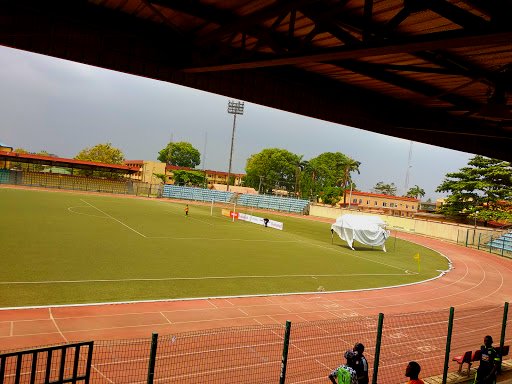
The Eko 2026 National Sports Festival is receiving growing support from sports stakeholders who believe the competition could provide a major platform for discovering and developing Nigeria’s next generation of sporting champions.
Among those backing the Games are sports administrator and entrepreneur, Bukola Olopade Fatodu, and former Super Eagles defender, Chinedu Ubani, who have expressed optimism that the festival will help identify young talents capable of representing Nigeria on the international stage.
The stakeholders described the National Sports Festival as more than a competition for medals, stressing that it remains one of the country’s most important grassroots talent-identification programmes.
According to them, Nigeria possesses enormous sporting potential, but many talented athletes often lack the exposure, facilities and structured development pathways required to reach elite levels.
Eko 2026 as a talent pipeline
The National Sports Festival has historically served as a breeding ground for athletes who later went on to represent Nigeria at continental and global competitions.
From athletics and swimming to boxing, wrestling, weightlifting and team sports, the Games provide young athletes with an opportunity to compete against some of the best talents from across the country.
Fatodu and Ubani believe Eko 2026 can build on that tradition by creating a stronger pathway between grassroots competitions and national teams.
They stressed that the discovery of a promising athlete should not end when the Games close.
Instead, outstanding performers should be tracked, supported and given access to professional coaching, modern facilities, sports science and regular international competition.
Beyond medals and trophies
While medals remain an important measure of success at the festival, the stakeholders argued that the long-term value of the Games lies in what happens after the competition.
A young athlete who wins a medal at the National Sports Festival could potentially become a future Olympian, world champion or Commonwealth Games medallist if given the right support.
That is why talent identification, according to the stakeholders, must be accompanied by a deliberate development programme.
Nigeria has produced world-class athletes from relatively modest beginnings, demonstrating the depth of talent available across the country.
The challenge has often been transforming raw ability into sustained elite performance.
The role of Lagos
As host of Eko 2026, Lagos is expected to play a major role in providing the facilities and organisational platform required for a successful festival.
The state has a long sporting tradition and has produced numerous athletes who have represented Nigeria at national and international competitions.
Hosting the Games also provides an opportunity for Lagos to showcase its sporting infrastructure and demonstrate how investment in sports can contribute to youth development.
Beyond the competition itself, the festival is expected to generate economic activity through tourism, hospitality, transportation, entertainment and other sectors.
Developing young athletes
Fatodu and Ubani emphasised the importance of creating a structured system for nurturing athletes after they have been identified.
Many young athletes face challenges including inadequate training facilities, limited access to qualified coaches, financial constraints and insufficient opportunities to compete internationally.
Without sustained support, promising athletes can lose motivation or abandon their sporting careers altogether.
A comprehensive development programme could address these challenges by providing scholarships, training opportunities, medical support, sports science services and mentorship.
Such interventions would also help athletes develop the discipline and professional skills required to succeed at the highest level.
Sports as a tool for youth development
The stakeholders also highlighted the broader social importance of sports.
With Nigeria’s large youth population, sports can provide young people with opportunities to develop discipline, teamwork, leadership and resilience.
Successful athletes can also become role models for younger generations and demonstrate how dedication and hard work can create opportunities.
National competitions such as the Sports Festival bring together young people from different states and backgrounds, creating opportunities for cultural exchange and national integration.
The Games can therefore contribute to national unity while simultaneously serving as a talent-identification platform.
Creating a sustainable sports ecosystem
For the benefits of Eko 2026 to extend beyond the closing ceremony, stakeholders believe Nigeria needs a sustainable sports-development ecosystem.
This would require stronger collaboration among federal and state governments, sports federations, private-sector organisations, schools, clubs and professional teams.
The private sector, in particular, could play a greater role by sponsoring athletes, supporting competitions and investing in sports infrastructure.
Corporate partnerships could provide additional resources for training camps, equipment, athlete welfare and international participation.
Such partnerships would reduce the pressure on government and create more sustainable opportunities for young athletes.
A chance to revive Nigeria’s sporting ambitions
Nigeria has historically enjoyed success in several sports but has also struggled with inconsistent preparation and inadequate investment.
The country’s performances at major international competitions have often highlighted both its enormous potential and the gaps in athlete development.
Eko 2026 offers an opportunity to address some of those challenges from the grassroots.
If the best athletes emerging from the festival are identified early and placed on carefully designed development programmes, the Games could become a significant source of future national-team talent.
The emphasis should therefore be on building a pipeline rather than simply producing champions for one edition of the festival.
Looking beyond Eko 2026
The true legacy of Eko 2026 may ultimately be measured years after the Games have ended.
The emergence of athletes who go on to compete at the Olympics, World Championships, Commonwealth Games and other international events would provide a powerful indication that the festival achieved its broader objective.
Fatodu and Ubani’s support reflects a growing belief among sports stakeholders that Nigeria must take grassroots talent development more seriously.
With adequate planning, investment and follow-up, Eko 2026 could become a turning point for young Nigerian athletes seeking a pathway to elite competition.
The Games offer thousands of athletes an opportunity to demonstrate their abilities. The responsibility of stakeholders, however, will be to ensure that exceptional performances are not forgotten once the medals have been awarded.
For Nigeria, the bigger prize may not be the medal table at Eko 2026, but the discovery of athletes who could carry the nation’s sporting ambitions for years to come.