
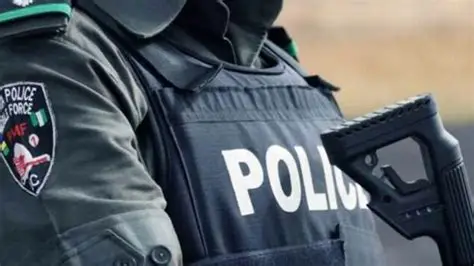


JRB, Police Launch Joint Crackdown on Illegal Tax Collection Nationwide
The Joint Revenue Board (JRB) has unveiled a strategic collaboration with the Nigerian Police Force to tackle illegal tax collection and dismantle unauthorised roadblocks used for revenue collection across Nigeria.
Speaking at a high-level meeting with senior police officers in Abuja on Monday, JRB Executive Secretary Segun Adesokan said the board is mandated to drive uniformity, transparency, and efficiency in revenue administration nationwide.¹ ²
Adesokan noted that ongoing tax reforms championed by President Bola Tinubu are built to promote equity and economic growth by focusing taxation on prosperity rather than poverty, and on profits rather than investments.
A key pillar of the reforms, he said, is the ban on illegal tax practices that have long strained businesses and citizens, especially along major transport routes. He recalled that at its 158th meeting in December 2025, the JRB issued a communiqué outlawing roadblocks for tax or levy collection and prohibiting the use of unauthorised tax stickers nationwide.³
Legislative Backing and New Prohibitions
To strengthen enforcement, Adesokan disclosed that a Model Harmonized Taxes and Levies Act has already been passed by 15 State Houses of Assembly and is under review in other states. The Act criminalises cash-based tax collection, illegal roadblocks, and the use of non-state actors to collect revenue on public highways.
“These unlawful activities not only harass road users but also drive up the cost of goods and services, because transporters transfer illegal charges to consumers,” Adesokan explained.
Proposed National Task Force
As a solution, the JRB proposed setting up a joint national task force with the Nigerian Police Force. The task force will operate in all states, working alongside revenue authorities to identify, dismantle, and prosecute illegal tax operators.
Responding on behalf of the Inspector General of Police, DIG Finance and Administration Mohammed Abdul Suleiman welcomed the initiative and restated the Force’s commitment to supporting the JRB. He acknowledged the economic and security impact of illegal roadblocks and assured that Commissioners of Police in all 36 states and the FCT will fully collaborate with the Board and Chairmen of Sub-National Tax Authorities to stamp out the practice.⁴
Balancing Enforcement with Engagement
The police stressed the need for a balanced approach that combines strict enforcement with stakeholder engagement. This, they said, is necessary to address the root causes of illegal tax collection, including the involvement of some local authorities and community actors.
Both institutions agreed to design a comprehensive implementation framework to guarantee the success of the initiative. The partnership marks a major step toward improving Nigeria’s business climate and protecting citizens from unlawful taxation.
Next Steps
The JRB and Police are expected to release operational guidelines for the task force, including reporting channels for citizens to flag illegal roadblocks. The move aligns with broader federal efforts to formalise the informal economy and reduce logistics costs across supply chains.
Would you like me to draft a public sensitisation message about this new task force for transport unions?
JRB, Police Launch Joint Crackdown on Illegal Tax Collection Nationwide
The Joint Revenue Board (JRB) has unveiled a strategic collaboration with the Nigerian Police Force to tackle illegal tax collection and dismantle unauthorised roadblocks used for revenue collection across Nigeria.
Speaking at a high-level meeting with senior police officers in Abuja on Monday, JRB Executive Secretary Segun Adesokan said the board is mandated to drive uniformity, transparency, and efficiency in revenue administration nationwide.¹ ²
Adesokan noted that ongoing tax reforms championed by President Bola Tinubu are built to promote equity and economic growth by focusing taxation on prosperity rather than poverty, and on profits rather than investments.
A key pillar of the reforms, he said, is the ban on illegal tax practices that have long strained businesses and citizens, especially along major transport routes. He recalled that at its 158th meeting in December 2025, the JRB issued a communiqué outlawing roadblocks for tax or levy collection and prohibiting the use of unauthorised tax stickers nationwide.³
Legislative Backing and New Prohibitions
To strengthen enforcement, Adesokan disclosed that a Model Harmonized Taxes and Levies Act has already been passed by 15 State Houses of Assembly and is under review in other states. The Act criminalises cash-based tax collection, illegal roadblocks, and the use of non-state actors to collect revenue on public highways.
“These unlawful activities not only harass road users but also drive up the cost of goods and services, because transporters transfer illegal charges to consumers,” Adesokan explained.
Proposed National Task Force
As a solution, the JRB proposed setting up a joint national task force with the Nigerian Police Force. The task force will operate in all states, working alongside revenue authorities to identify, dismantle, and prosecute illegal tax operators.
Responding on behalf of the Inspector General of Police, DIG Finance and Administration Mohammed Abdul Suleiman welcomed the initiative and restated the Force’s commitment to supporting the JRB. He acknowledged the economic and security impact of illegal roadblocks and assured that Commissioners of Police in all 36 states and the FCT will fully collaborate with the Board and Chairmen of Sub-National Tax Authorities to stamp out the practice.⁴
Balancing Enforcement with Engagement
The police stressed the need for a balanced approach that combines strict enforcement with stakeholder engagement. This, they said, is necessary to address the root causes of illegal tax collection, including the involvement of some local authorities and community actors.
Both institutions agreed to design a comprehensive implementation framework to guarantee the success of the initiative. The partnership marks a major step toward improving Nigeria’s business climate and protecting citizens from unlawful taxation.
Next Steps
The JRB and Police are expected to release operational guidelines for the task force, including reporting channels for citizens to flag illegal roadblocks. The move aligns with broader federal efforts to formalise the informal economy and reduce logistics costs across supply chains.